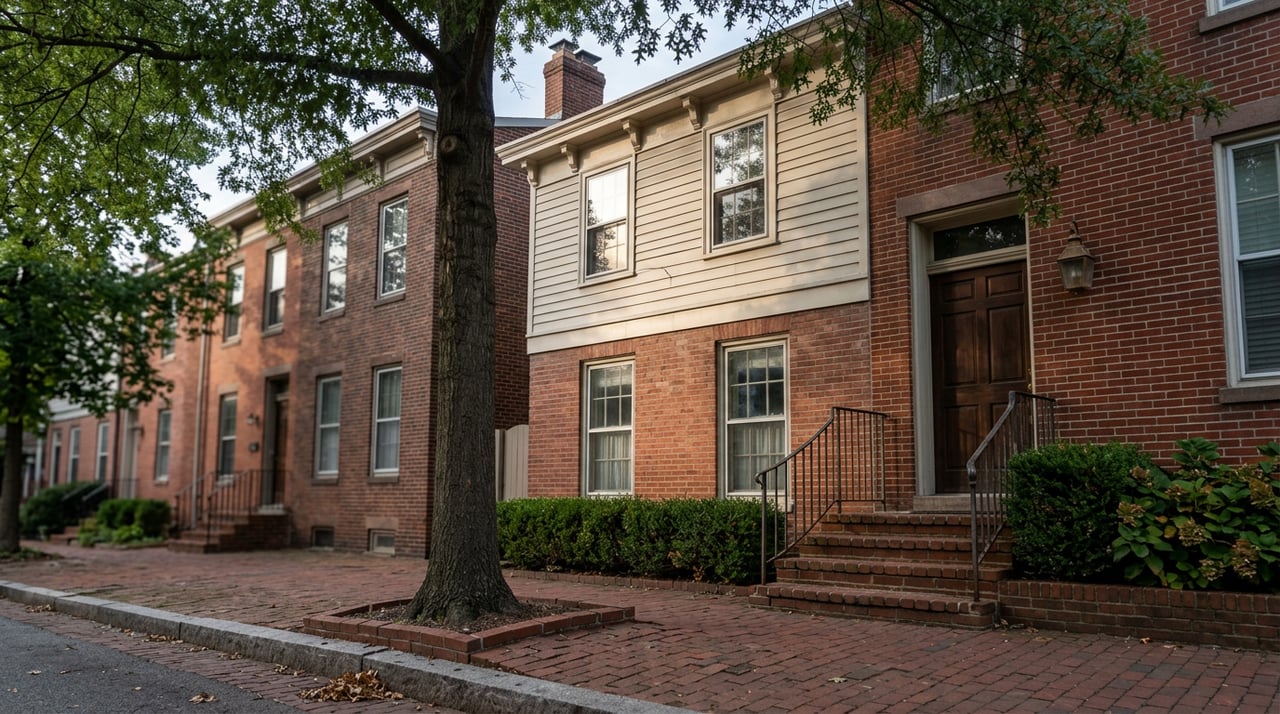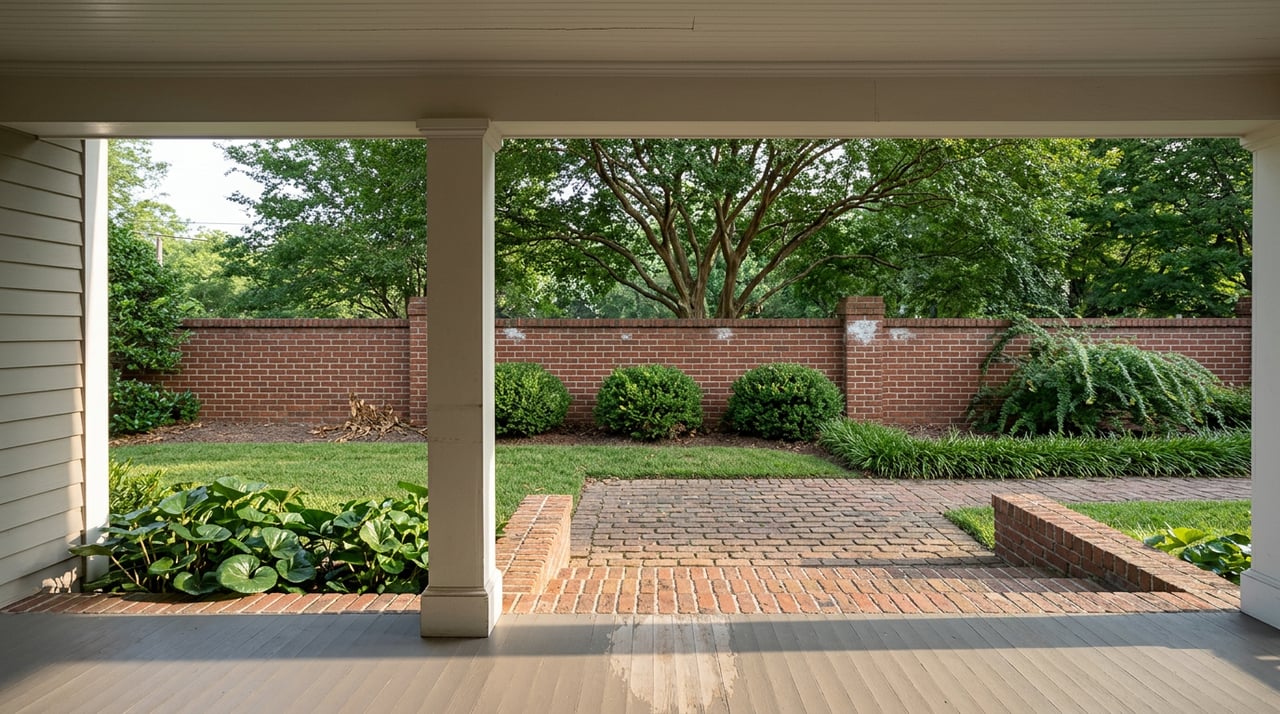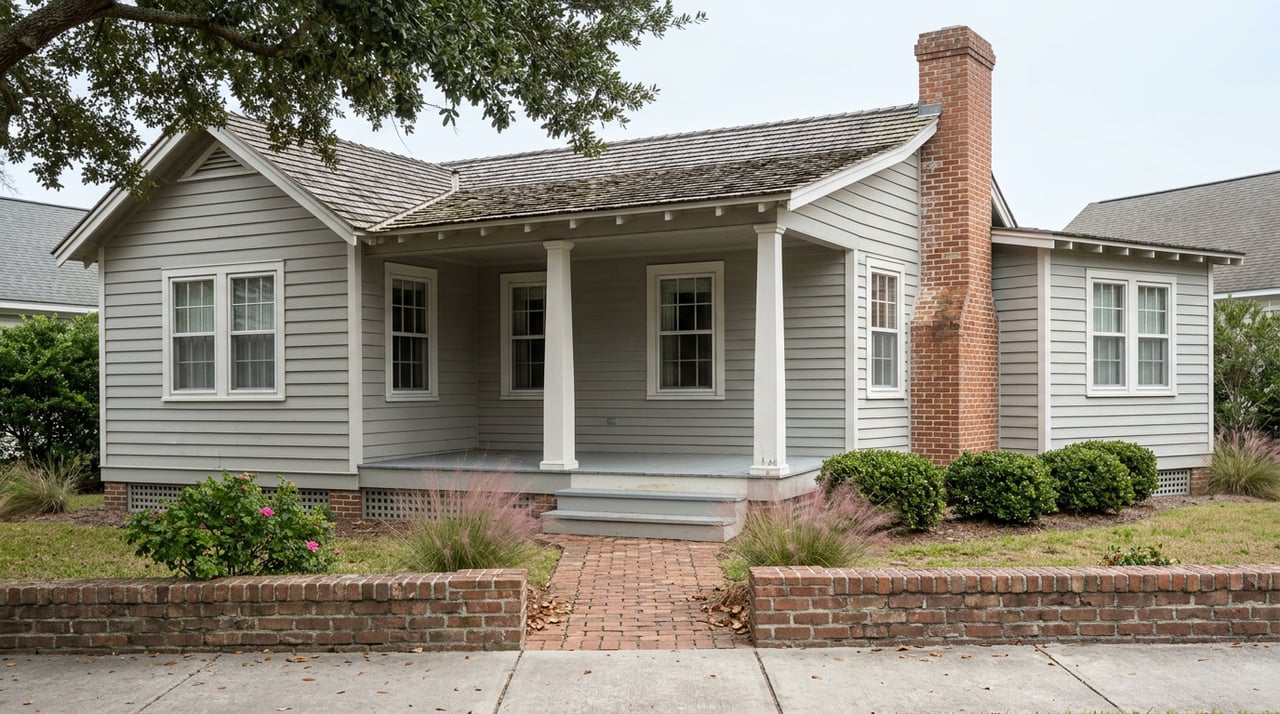
Ask a longtime North End resident where their backyard ends and most will point past their own fence line, past the low dune grass, straight toward First Landing State Park. More than half of North End sits against the park's edge, and for people who live on this stretch between the oceanfront and Shore Drive, First Landing isn't a tourist stop. It's the place you walk the dog before work, the shortcut to the Narrows for a Saturday paddle, the 20 miles of trail that make a Tuesday evening feel longer than it is.
This year, that backyard is changing in two small but real ways, and neither one is happening to the neighborhood itself.
What's Actually Different This Year
First Landing's visitor center is rolling out new history exhibits, first announced for spring 2026, aimed at giving the park's own story a more complete telling than the small placards and rotating displays that have covered it for years. It's a modest update by park standards, but it's the kind of change locals notice on a rainy Saturday when the trail plan turns into a visitor center plan instead.
The second change is more practical. The park's cabins, tucked along the camping loop near the Chesapeake Bay Center, are closed for renovation and will stay that way through Halloween, according to U.S. News & World Report's most recent coverage of the park. If you've got out-of-town family who like to book a cabin instead of a hotel when they visit, this is the year to check availability before you promise them a spot.
Neither change touches the trails, the beach, or the boat launch, which is exactly the point. First Landing's identity was never about the buildings. It's the 20 miles of hiking and biking trails and the mile and a half of Chesapeake Bay shoreline that draw people back, week after week, regardless of what's happening at the front desk.
A Park Built to Outlast Its Own Renovations
The exhibits getting refreshed this year are telling a story that's older than most of the homes around it. First Landing traces its construction to the 1930s, built in large part by an all-Black Civilian Conservation Corps crew, and the site is listed on the National Register of Historic Places. It carried the name Seashore State Park for decades before being renamed First Landing in 1997 to mark its connection to the 1607 arrival of English colonists at Cape Henry, a few miles up the shoreline.
That's a lot of history to compress into a visitor center, and it's the reason the update matters more than a typical facilities refresh. The park has told the same abbreviated version of its own story for years. This is the first real attempt to expand it.
For residents, the practical geography hasn't moved. The Cape Henry Trail, the park's main artery, runs 5.9 miles and is the one trail in the system open to bikes, connecting from the northern trail center down toward 64th Street. The Narrows, where Broad Bay meets Linkhorn Bay, is still the spot locals use for a quieter put-in than the main beach, with a boat ramp at the end of the 64th Street extension. None of that changed this year. It didn't need to.
What Doesn't Change, On Purpose
If the park is willing to update its own story, the neighborhood around it has built an entire civic structure to make sure the opposite happens on the residential side of the property line.
The North Virginia Beach Civic League describes its own mission plainly: protect both the character and community of the North End. The league runs a Zoning Committee, led by Billy Almond, and a Beautification Committee, led by Jim Spruance, and puts out a monthly newsletter compiled by Don Naden that keeps residents current on everything from side street paving schedules to zoning changes headed for a vote. It's not a marketing arm for the neighborhood. It's the reason the neighborhood still looks like a neighborhood of early 20th century beach cottages instead of a stretch of high-rise condos.
That distinction matters more here than in most beach communities, because North End's zoning has kept the skyline low for decades while the rest of the oceanfront built up around it. The civic league's Trunk or Treat event returns again this fall, one more example of the kind of small, recurring tradition that a civic league exists to protect as much as organize.
The Version of North End You Actually Live In
None of this changes the daily rhythm that already defines the neighborhood. The public beach access points running from roughly 43rd to 89th Street are still there, still uncrowded compared to the main oceanfront a few blocks south. The bay side of First Landing, calmer and shallower than the open Atlantic, is still the better bet for an early morning swim or a kayak with the kids. The zoning that keeps this stretch free of high-rises is still doing exactly what it was built to do, quietly, in the background, mostly noticed only when someone tries to change it.
What's actually new this year is small on paper. A visitor center exhibit. A cabin closure with a firm end date. But it's the kind of change that tells you something true about how North End works. The park updates itself when it needs to. The neighborhood holds its shape because a group of volunteers keeps showing up to make sure it does. Both things can be true on the same half mile of shoreline, and this year happens to be when you can see both at once.
If you're weighing what a home near this stretch of the oceanfront is actually worth, or just want a neighbor's read on what's changing and what isn't, Conner & Company is glad to talk it through. We keep an eye on details like these because we live around them too.