If you want a neighborhood where dinner, the waterfront, and a show can all fit into one evening without a long drive, West Freemason is worth a closer look. This part of Norfolk blends historic character with downtown convenience, which can feel exciting and practical at the same time. When you understand how the area works day to day, it becomes much easier to decide whether the lifestyle fits you. Let’s dive in.
West Freemason at a Glance
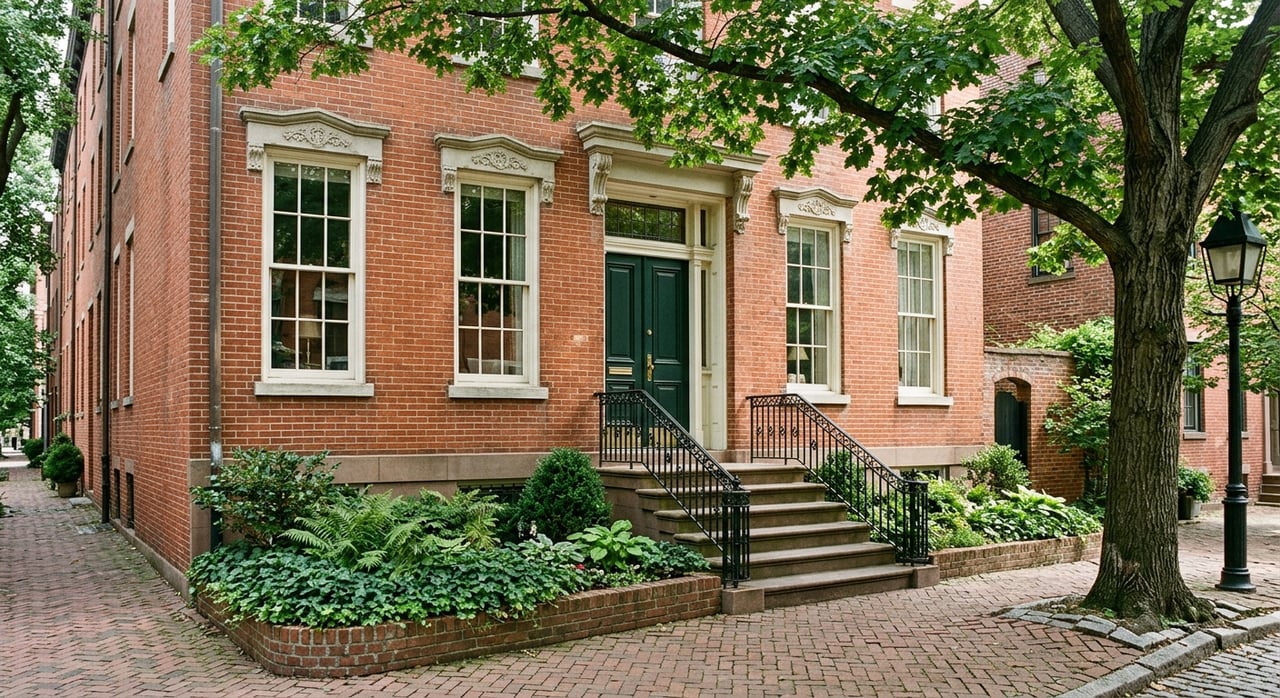
West Freemason sits just west of Downtown Norfolk along the Elizabeth River. It is a historic district, and according to the City of Norfolk, it was the first historic district in Norfolk listed on the National Register. The architecture spans from about 1790 to today, which helps explain why the area feels layered rather than uniform.
That mix carries into daily life. In the broader Freemason area, converted warehouses, large historic homes, and contemporary condos and apartments can sit just steps from one another. If you want a neighborhood with visual variety and a strong sense of place, that is a big part of the appeal.
What Walkable Living Really Means Here
In West Freemason, walkable living is less about never owning a car and more about not needing it for every small plan. Downtown Norfolk is described by the Downtown Norfolk Council as compact and walkable, with ways to get around on land and water. That creates a routine built around short trips, easy outings, and flexible transportation options.
You might walk to dinner, head toward the waterfront after work, or plan a weekend around a festival or local market. The downtown event calendar also supports that lifestyle with concerts, art shows, dining events, and seasonal activities. In practical terms, that means there is often something nearby to do without planning a long trip across the region.
Dining Close to Home
One of the biggest lifestyle perks of living near downtown Norfolk is how many dining options sit within a compact area. The Downtown Norfolk Council describes the restaurant and bar scene as unique, independent, and chef-inspired, with many spots only a few blocks apart. That is the kind of setup that makes spontaneous plans much easier.
In and around the Freemason area, examples include Freemason Abbey Restaurant, Grace O’Malley’s Irish Pub and Restaurant, Norfolk Seafood Co. & Oyster Bar, Waterside District, and Zinnia at the Chrysler Museum of Art. For buyers who want a neighborhood where meals out can be part of a normal weeknight, that convenience matters.
Arts and Culture Nearby
Walkable downtown living in Norfolk also means being close to major cultural venues. Chrysler Hall hosts the Virginia Symphony Orchestra, Broadway in Norfolk, the Virginia Arts Festival, and other presenters. Nearby, Wells Theatre is home to Virginia Stage Company, and Harrison Opera House is home to Virginia Opera.
The Chrysler Museum of Art adds another layer to the neighborhood experience. It offers free admission and free parking onsite, which gives you an easy option for an afternoon or evening outing. The MacArthur Memorial in MacArthur Square is also a free museum downtown, adding another accessible cultural stop close to home.
Waterfront Access Shapes the Lifestyle
In West Freemason and downtown Norfolk, the waterfront is not just scenery. It is part of how people spend their time. Town Point Park is Norfolk’s premier waterfront venue, and Nauticus sits on the downtown waterfront alongside the Battleship Wisconsin and Half Moone.
The Elizabeth River Trail also feeds into downtown and highlights places such as Town Point Park, the USS Wisconsin, Fort Norfolk, Plum Point Park, and several historic neighborhoods. If you like the idea of walking or biking with river views built into your routine, this is one of the strongest lifestyle features in the area.
The Elizabeth River Ferry adds another option. It provides harbor views and bicycle access between Waterside and Portsmouth, which can make local outings feel a little more connected and a lot more interesting.
Getting Around Without Heavy Car Dependence
A car-light lifestyle is realistic here, even if many residents still pay close attention to parking. The Tide light rail runs 7.4 miles and includes downtown stops such as York Street/Freemason, Monticello, MacArthur Square, Civic Plaza, and Harbor Park. That gives you another tool for getting around downtown and beyond.
Norfolk also has nearly 60 miles of dedicated bike lanes and shared lane markings. The Elizabeth River Trail extends 10.5 miles as an urban biking and pedestrian trail that reaches downtown. Together, those features support a routine where walking, biking, rail, and short rides can all play a role.
Downtown Norfolk also operates F.R.E.D., a free on-demand courtesy shuttle within the Downtown Improvement District. For daily convenience, that can make errands, dining, and events easier to manage without moving your car every time.
Parking Still Matters
Even in a walkable district, parking is part of the real conversation. Downtown Norfolk says the city offers more than 19,000 public parking spaces, and the city now offers the first two hours free in 14 garages. That can help when you are meeting friends, running errands, or hosting visitors.
Still, if you are comparing homes or condo communities, parking logistics should stay on your checklist. A walkable location can reduce how often you drive, but it does not erase the value of convenient parking when you need it.
Homes That Fit the Lifestyle
The housing mix in and around West Freemason is broad for such a compact urban area. Buyers can find historic homes, lofts, condos, and apartments, all within the larger downtown setting. That range gives you several ways to plug into the same lifestyle depending on your preferences.
The Downtown Norfolk Council’s condo directory includes Freemason Harbour Condominiums, Freemason Place Condominiums, Jamestown at Freemason Harbor, Pier Pointe at Freemason Harbor, The Rotunda, St. Paul’s Place, Tazewell Place, and several loft buildings. If you want lower-maintenance living close to downtown amenities, these kinds of options can be especially appealing.
If you prefer a historic property, the neighborhood’s architecture is a major draw. You get the charm, scale, and streetscape that many buyers love, with the tradeoff that older homes and historic districts come with extra considerations.
Historic District Rules to Know
Because West Freemason is a locally designated historic district, exterior alterations, new construction, and often demolition must go through the city’s design-review process and receive a Certificate of Appropriateness. That is one of the most important practical details for buyers to understand before making a move.
For some buyers, this review process is part of what protects the neighborhood’s character. For others, it may feel limiting if they want broad flexibility for exterior changes. Neither view is right or wrong, but it is best to know the rules early so you can match your goals with the right property.
A Key Change: MacArthur Center Redevelopment
Another important part of the downtown picture is the future of MacArthur Center. The City of Norfolk says the mall, which helped catalyze downtown’s growth, is scheduled to close by June 30, 2026 so the site can be redeveloped. That is a major change for the area and worth watching if you are thinking long term.
The city’s plan calls for a mixed-use district with market-rate residential units, hotel rooms, street-level retail, open space, and pedestrian-friendly connections. For buyers interested in walkable urban living, this points to continued evolution in the downtown environment rather than a static neighborhood story.
Is West Freemason the Right Fit for You?
West Freemason tends to fit buyers who want an urban riverfront lifestyle centered on historic character, dining, arts, waterfront access, and multiple ways to get around. It can be a strong option if you value being close to activity and like the idea of a neighborhood where your plans are often just a short walk away.
At the same time, it helps to go in with clear expectations. Preservation rules, parking considerations, and downtown retail change are all part of the package. When you understand those tradeoffs, you can make a much more confident decision about whether this part of Norfolk feels like home.
If you are thinking about buying or selling in West Freemason or anywhere in Downtown Norfolk, Conner and Company Real Estate can help you navigate the neighborhood with clear, local guidance.
FAQs
How walkable is West Freemason in Norfolk?
- West Freemason connects to a downtown area that the Downtown Norfolk Council describes as compact and walkable, with access to dining, events, waterfront destinations, light rail, biking routes, and a free downtown shuttle.
What types of homes are available in West Freemason and downtown Norfolk?
- The area includes historic homes, lofts, condos, and apartments, with several condo communities in and around Freemason and the downtown core.
What should buyers know about historic district rules in West Freemason?
- Because West Freemason is a locally designated historic district, exterior changes, new construction, and often demolition typically require city design review and a Certificate of Appropriateness.
Can you live in West Freemason without relying on a car every day?
- Many residents can maintain a car-light routine thanks to walkable streets, The Tide light rail, bike infrastructure, the Elizabeth River Trail, the Elizabeth River Ferry, and the F.R.E.D. downtown shuttle.
Why does the MacArthur Center redevelopment matter for downtown Norfolk living?
- The site is scheduled to close by June 30, 2026 for redevelopment into a mixed-use district with residential, hotel, retail, open space, and pedestrian-friendly connections, which could shape the future downtown experience.