Thinking about buying a historic home in Ghent? You are not just buying square footage. You are buying into one of Norfolk’s most recognizable historic neighborhoods, with architecture, streetscapes, and preservation rules that can shape your day-to-day ownership experience. If you want the charm of an older home without surprises after closing, this guide will help you understand what to look for, what to ask, and how to prepare. Let’s dive in.
Why Ghent draws historic-home buyers
Ghent stands out for its historic character and planned design. The City of Norfolk describes the locally designated Ghent Historic District as including both Ghent and North Ghent, with a neighborhood plan influenced by City Beautiful and Beaux Arts ideas, tree-lined streets, landscaped open space, and a buildout that largely took shape around the turn of the 20th century.
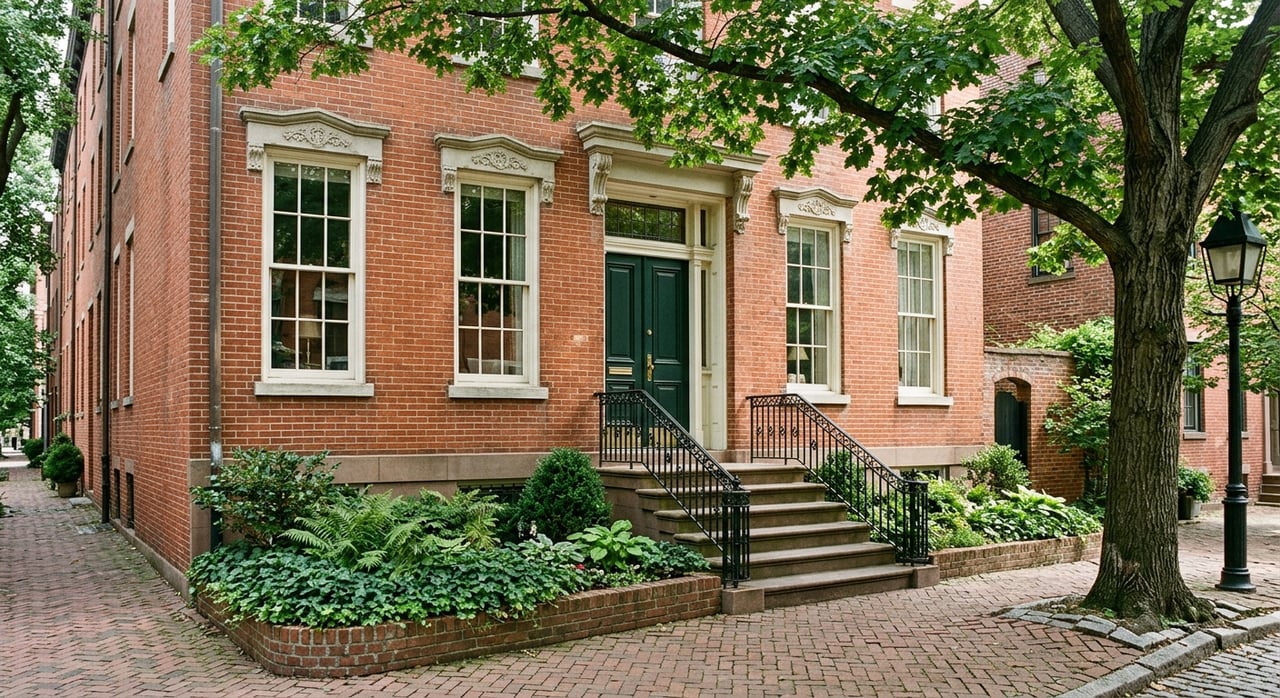
That history still shows up in the homes you see today. Official district descriptions highlight Queen Anne, Colonial Revival, and Shingle-style homes as core architectural types, with Tudor Revival and Romanesque Revival examples also present. In simple terms, if you love original details, varied facades, and a true sense of place, Ghent offers a lot to explore.
It also helps to know that Ghent is not all one thing. North Ghent developed later and more modestly, with a mix of houses and multi-family housing, while the southern and original Ghent area includes closer-spaced homes and higher-style architecture near The Hague and Colonial Avenue. That mix can affect everything from pricing to maintenance needs.
What buying in Ghent really means
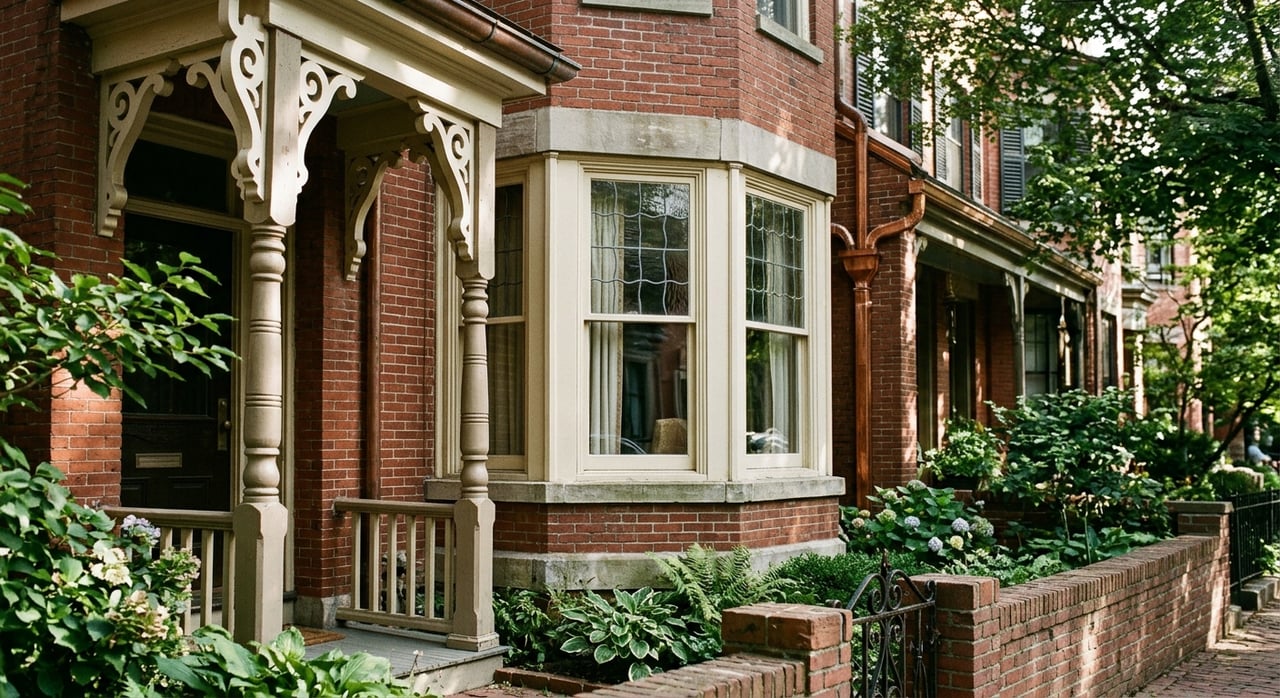
Buying a historic home in Ghent is partly a lifestyle decision and partly a preservation decision. The features that make a home feel special, like original windows, wood trim, and front porches, can also require more careful upkeep than newer materials.
You should also expect a more detailed due-diligence process than you might use for a newer home. In Ghent, buyers often need to think beyond paint colors and kitchen updates. Exterior materials, prior renovations, moisture issues, and flood risk can matter just as much as the floor plan.
If you are drawn to walkability, architectural character, and proximity to downtown Norfolk, Ghent may check a lot of boxes. The tradeoff is that older homes usually ask for a little more planning and a little more patience.
Historic district rules to know
ARB review affects exterior changes
In Norfolk’s local historic districts, exterior alterations, new construction, and some demolition are reviewed by the Architectural Review Board. Approved work receives a Certificate of Appropriateness, and the city says the updated historic district guidelines adopted on May 26, 2026 apply to applications received on or after June 1, 2026.
For you as a buyer, the key takeaway is simple: do not assume you can change the exterior right after closing without review. If you are considering replacing windows, reworking a porch, changing exterior materials, or making other visible updates, it is smart to verify the property’s district status and review expectations before you buy.
Repair usually comes before replacement
Norfolk’s guidelines favor a repair-first approach for many exterior features. They support compatible window repair or replacement, careful maintenance of exterior wood, and porch work that matches the home’s historic configuration.
The guidelines also specifically discourage some common shortcuts. These include wholesale window replacement with incompatible materials, vinyl replacement windows, wrapping historic wood with synthetic materials, and enclosing or screening historic front porches on primary elevations. If a home needs work, that context can affect your renovation budget and timeline.
What to inspect closely in a Ghent home
Windows, wood, and porches
In a historic neighborhood like Ghent, original exterior features deserve extra attention during inspections. The city’s design guidance places clear importance on wood elements, windows, and porches, so those are practical places to focus when evaluating condition.
Ask your inspector to look closely for signs of moisture intrusion, wood deterioration, window condition, porch wear, and evidence of past replacement work that may not match the home’s original design. These issues are not unusual in older homes, but they can influence both immediate repair costs and future approval needs.
Lead paint due diligence
Lead paint is another important item in older housing. According to EPA data cited in the research, 87% of homes built before 1940 and 24% of homes built between 1960 and 1978 have some lead-based paint, and homes built before 1978 are more likely to contain lead-based paint overall.
For most housing built before 1978, buyers must receive the lead disclosure pamphlet and any known information on lead hazards. If you are planning renovations that could disturb painted surfaces, lead-safe practices matter. This is one reason to schedule your home inspection early and choose an inspector carefully.
Choose your inspector early
A fast, thoughtful inspection plan can save you stress later. The research recommends scheduling the home inspection as soon as possible and checking references and licensing before choosing an inspector.
For a Ghent purchase, it may help to work with professionals who understand older homes. A general inspection is important, but the real value often comes from identifying age-related issues before they turn into ownership surprises.
Flood risk should be property-specific
Flood risk is part of buying in Norfolk, and Ghent buyers should treat it as an address-by-address question. The city says flood risk is real across Norfolk from both coastal flooding and rain-event flooding.
That does not mean every property carries the same risk. FEMA’s Flood Map Service Center is the official source for flood-hazard information, and buyers should verify the exact parcel rather than assume the whole neighborhood is the same.
This can also affect your monthly costs. Flood insurance is mandatory in Special Flood Hazard Areas when the mortgage is government-backed, so checking flood-zone status early can help you budget more accurately.
Ghent market context for buyers
Ghent’s housing market sits in an interesting position within Norfolk. Realtor.com’s May 2026 snapshot shows Norfolk with a median listing price of $349,000, while Ghent shows a median listing price of $342,500, 27 homes for sale, 31 days on market, and a 100% sale-to-list ratio.
That same neighborhood snapshot shows West Ghent moving faster at 19 days on market, while the Freemason Street Area posts a higher median listing price of $437,000. Directionally, that suggests Ghent sits in a middle-to-upper tier among Norfolk’s urban-core historic neighborhoods.
Redfin offers a different read, showing Ghent’s median sale price over the prior three months at $260,000 compared with Norfolk’s $326,000, and a sale-to-list ratio of 97.8%. Because these platforms use different methods and time windows, it is better to treat them as market signals, not exact valuation answers. In Ghent, mixed housing types can skew median numbers, so one headline price rarely tells the whole story.
A smart buying strategy for Ghent
If you are serious about buying in Ghent, a little planning goes a long way. Historic-home purchases tend to go more smoothly when you combine market awareness with careful property-level review.
Here are a few smart steps to keep in mind:
- Verify whether the property is within the local historic district before planning exterior updates.
- Review visible exterior features such as windows, wood trim, and porches with extra care.
- Schedule inspections early and use qualified professionals.
- Ask detailed questions about past repairs or replacements.
- Check flood-hazard information for the exact parcel.
- Factor maintenance and preservation-friendly repairs into your budget.
The goal is not to avoid older homes. The goal is to buy one with your eyes open. When you understand the responsibilities that come with historic ownership, you can make a more confident decision.
Why local guidance matters
Buying a historic home in Ghent is rarely a one-size-fits-all process. Two homes on the same street can differ in condition, prior updates, district considerations, and likely repair needs.
That is where neighborhood-level guidance becomes valuable. When you work with a team that understands Norfolk’s historic housing stock, local market patterns, and the details that matter before closing, you can move forward with more clarity and less guesswork.
If you are exploring Ghent or comparing it with other Norfolk neighborhoods, Conner and Company Real Estate can help you evaluate the tradeoffs, understand the local market, and navigate the process with confidence.
FAQs
What makes buying a historic home in Ghent different from buying a newer home in Norfolk?
- Buying a historic home in Ghent usually involves more detailed due diligence around exterior condition, preservation rules, lead paint, and flood-risk review than a newer home purchase.
Do exterior renovations on a Ghent historic home need approval?
- In Norfolk’s local historic districts, exterior alterations, new construction, and some demolition are reviewed by the Architectural Review Board, and approved work receives a Certificate of Appropriateness.
What architectural styles can you find in Ghent, Norfolk?
- Official descriptions identify Queen Anne, Colonial Revival, and Shingle-style homes as core styles in Ghent, with Tudor Revival and Romanesque Revival examples also present.
What should you inspect first when buying an older home in Ghent?
- Windows, exterior wood, porches, moisture intrusion, deterioration, and signs of incompatible past replacement work are all important areas to inspect closely.
Does flood risk vary by property in Ghent, Norfolk?
- Yes. Buyers should verify flood-hazard information for the exact parcel because flood risk and insurance requirements can vary from one property to another.
Is lead paint a concern when buying a historic home in Ghent?
- It can be, especially in homes built before 1978, so buyers should review required disclosures and use lead-safe practices if future renovations may disturb painted surfaces.