Wondering if Little Neck is the right fit for your next home in Virginia Beach? It can be a compelling option if you want an established setting, larger lots, and easy access to the water-oriented lifestyle that draws so many buyers to this part of Hampton Roads. If you are considering a move here, it helps to understand how much can vary from one address to the next, and what due diligence matters most before you write an offer. Let’s dive in.
Little Neck at a Glance
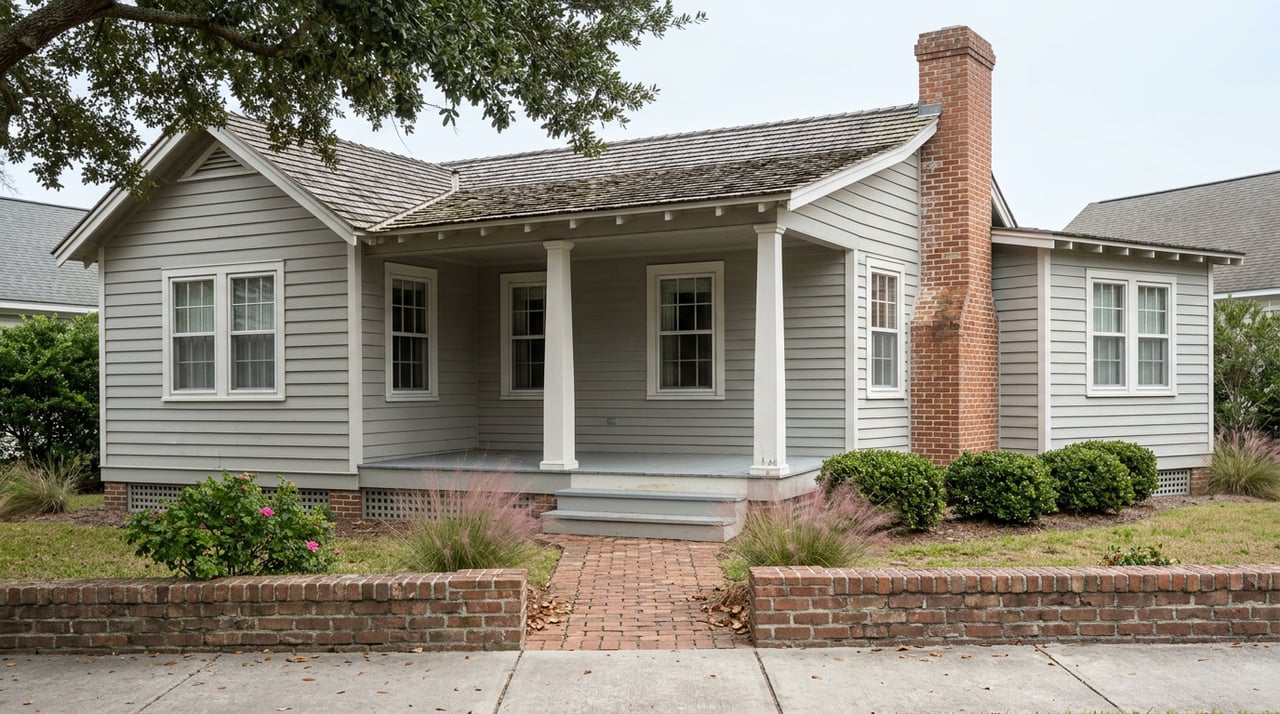
Little Neck is best understood as a long-established part of northern Virginia Beach, not a one-size-fits-all neighborhood. City and historic survey materials describe a historic core bordered by Little Neck Road and North Lynnhaven Road, with homes on generally quarter-acre to half-acre lots, mature trees, landscaped front yards, and a mix of one- and two-story homes from the mid to late twentieth century, along with some newer infill.
That established character matters when you start your search. You are often looking at a neighborhood with deeper roots, older housing stock, and more variation in condition and lot layout than you would expect in a newer planned community.
The City of Virginia Beach assessor report also shows why buyers should avoid broad assumptions. It groups 991 parcels under Little Neck, with a mean assessed value of $1,191,700 and a median of $1,024,400, while also identifying Little Neck Crossing and Little Neck Village as distinct subareas. In plain terms, values, lot sizes, and home characteristics can shift meaningfully even within the broader Little Neck label.
What the Housing Stock Means for You
When you tour homes in Little Neck Cove and the surrounding Little Neck area, age alone should not drive your decision. Some homes may retain much of their original layout and finishes, while others may have been expanded or renovated over time.
That creates both opportunity and risk. You may find a property with strong lot appeal and updated interiors, but the quality and documentation of those updates matter just as much as the home’s original build date.
The Virginia Beach historic survey notes exterior alterations and additions on several Little Neck properties. For you as a buyer, that makes permit history an important part of the review process, especially if a home has a large addition, enclosed space, or other visible changes from its original footprint.
Why parcel-level analysis matters
Little Neck is not a uniform comp set. A home’s value may be shaped by:
- Exact subarea
- Lot size
- Water access or water adjacency
- Age and condition
- Renovation quality
- Presence of association rules or shared community obligations
This is why a precise, address-level pricing strategy matters more here than relying on the neighborhood name alone.
Water-Oriented Living Is Part of the Appeal
For many buyers, Little Neck stands out because of its connection to the water-centered lifestyle of the Lynnhaven area. Even if a specific property is not directly waterfront, nearby public amenities help support that lifestyle.
The city-operated Lynnhaven Boat Ramp & Beach Facility offers four launch lanes, a kayak and canoe launch, trailer parking, restrooms, and direct access to the Lynnhaven River and Chesapeake Bay. If boating, paddling, or spending time on the water is part of your routine, that kind of nearby access can be a meaningful advantage.
Great Neck Park and the Great Neck Pavilion add to that appeal. These public spaces offer shared-use paths, recreation areas, and views by Lynnhaven Bay, which helps reinforce the everyday feel of being close to the water even when you are not buying a waterfront home.
Questions to ask about water access
Before you buy, it helps to clarify what “water-oriented” means for your specific property. Consider asking:
- Is the home waterfront, water-adjacent, or simply near public access?
- What public boat or kayak access points are nearby?
- Does the property’s location affect flood review or insurance considerations?
- Are there any drainage or stormwater features on the lot?
Commute and Daily Access Expectations
Little Neck functions more like a car-oriented suburban neighborhood than a transit-first area. Because the historic core is bounded by Little Neck Road and North Lynnhaven Road, daily life here is typically built around driving rather than assuming you can walk to everything.
That does not mean access is limited. For regional travel, I-264 remains the major east-west corridor connecting Virginia Beach to the Oceanfront and to Norfolk through the tunnel network.
For buyers, the practical takeaway is simple: think through your real weekday and weekend patterns. Peak-hour traffic, school drop-offs, errand routes, and boating-season traffic may affect how a location feels in daily life, even if the map makes it seem straightforward.
A smart way to test the location
If you are serious about a home, try evaluating the address during the times you would actually use it most:
- Morning commute hours
- Afternoon return trip
- Weekend midday traffic
- Any route tied to regular errands or activities
That kind of real-world test can tell you more than a quick drive-by.
Flood and Drainage Due Diligence Matters
In Little Neck and other water-adjacent parts of Virginia Beach, flood review should be part of your standard buying process. The City of Virginia Beach states that its elevation and proximity to water make it susceptible to flooding, and it also notes that standard homeowners insurance does not cover flood damage.
That means you should check FEMA and city flood maps for the exact property you are considering. If a home is in a Special Flood Hazard Area, the city says permits are required for construction and other development, and elevation and freeboard rules may apply.
Drainage deserves the same attention. Virginia Beach’s stormwater program explains that the municipal storm sewer system is city-owned and city-maintained, but parcel-level drainage conditions, stormwater features, easements, and property-specific responsibilities can still affect ownership costs and future plans.
Key flood and drainage items to verify
Before you go under contract or during your due diligence period, try to confirm:
- Current flood-zone status
- Elevation certificate, if applicable
- Any history of flooding or drainage concerns
- Visible drainage structures or stormwater features on site
- Easements that may affect use of the property
- Whether planned improvements could trigger city requirements
Check HOA, POA, or Condo Rules by Address
One common mistake buyers make is assuming that the whole area operates the same way. In Little Neck, that can lead to problems because association status and rules may vary by exact property.
If a home is in an HOA, POA, condo, or another common-interest community, Virginia law requires a resale certificate or disclosure packet. That packet can include governing documents, assessments and fees, reserve and budget information, insurance details, violation notices, and other association records.
Virginia’s Department of Professional and Occupational Regulation also flags separate consumer disclosure forms that may apply to flood risk, septic, military air installations, building-code matters, and stormwater facilities. For buyers, the lesson is straightforward: verify the requirements for the exact address rather than assuming the whole Little Neck area follows the same rules.
Documents worth reviewing carefully
If an association is involved, pay close attention to:
- Monthly or annual fees
- Use restrictions
- Architectural approval requirements
- Insurance information
- Budget and reserve details
- Any open violations or pending issues
Build Your Offer Around the Exact Property
Because Little Neck includes meaningful variation in lot character, housing age, and value, a strong offer strategy starts with the specific property, not just the neighborhood name. Two homes a short distance apart may deserve very different pricing logic based on lot size, updates, water influence, and overall condition.
This is especially true in an area with older homes and water-adjacent considerations. A beautiful renovation may still need close review if permit history is unclear, and a large lot may come with drainage or maintenance details that affect long-term ownership.
For many buyers, the most useful pre-offer package includes a few key items that help reduce surprises and sharpen decision-making.
Pre-offer checklist for Little Neck buyers
- Flood-zone confirmation
- Elevation certificate, if applicable
- Survey
- HOA or POA documents, if any
- Permit history for additions or major updates
- Clear understanding of drainage and stormwater responsibilities
Doing that homework early can help you write with more confidence and avoid discovering major issues too late.
The Bottom Line on Buying in Little Neck
Little Neck appeals to buyers who want an established Virginia Beach setting with larger lots, mature landscaping, and strong access to the Lynnhaven area’s water-oriented amenities. It is not a plug-and-play neighborhood where every home fits the same pattern, and that is exactly why careful research matters.
If you approach your search with a parcel-level mindset, you will get a clearer picture of lifestyle fit, ownership costs, and long-term value. In a market like this, the best decisions usually come from looking beyond the neighborhood name and focusing on the details that shape each individual property.
If you are weighing a move in Little Neck Cove or anywhere in Hampton Roads, Conner and Company Real Estate offers personalized buyer guidance, local market insight, and hands-on transaction support to help you move forward with clarity.
FAQs
What should buyers know about Little Neck home values in Virginia Beach?
- Little Neck includes significant variation in parcel size, housing type, condition, and subarea identity, so buyers should evaluate value at the exact property level rather than treating the entire area as one pricing bucket.
What should buyers check about flood risk in Little Neck?
- Buyers should review the exact property’s flood-zone status, check city and FEMA flood maps, ask for an elevation certificate if applicable, and remember that standard homeowners insurance does not cover flood damage.
What should buyers review about older homes in Little Neck?
- Buyers should look closely at permit history, especially for additions, exterior alterations, and major renovations, because update quality and documentation can matter as much as the home’s age.
What should buyers know about HOAs or POAs in Little Neck?
- Buyers should verify association status by address and review the resale certificate or disclosure packet for fees, rules, budget information, insurance details, and any violation notices before moving forward.
What should buyers expect from commuting in Little Neck?
- Buyers should expect a primarily car-oriented setup, with access shaped by roads such as Little Neck Road, North Lynnhaven Road, and regional connections through I-264, so it is smart to test drive routes during real commute times.
What makes Little Neck appealing for water-oriented living?
- Buyers often like the area for its proximity to public amenities such as the Lynnhaven Boat Ramp & Beach Facility and Great Neck Park, which support boating, paddling, recreation, and time near the water even for non-waterfront homes.