Wondering what day-to-day life in Chesapeake really feels like? If you are thinking about a move, it helps to know more than home prices and listing photos. You want to understand where people run errands, spend time outside, and settle into a routine. This guide walks you through Chesapeake’s parks, dining corridors, and the different living environments you will find across the city. Let’s dive in.
Why Chesapeake Feels Different
Chesapeake is a large city, and that shapes everyday life in a big way. Census data reports 338.46 square miles of land area, while city materials describe Chesapeake as a 353-square-mile city. Either way, the takeaway is the same: this is a spread-out market with a wide range of living environments.
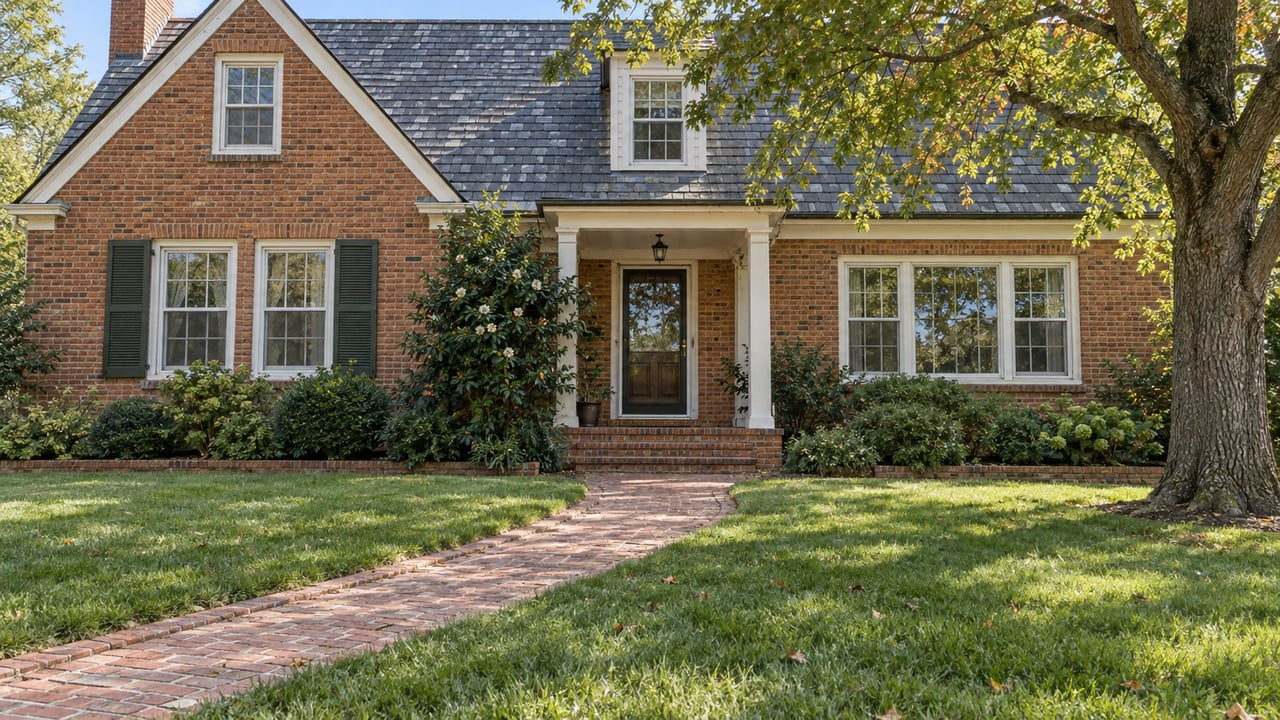
The city says Chesapeake includes ten planning areas that range from rural farmland to suburban neighborhoods and denser urban centers. City planning materials also note that low-scale neighborhoods are the most common character district, with mostly single-family detached homes plus some townhomes and small multifamily buildings along key roadways. For you as a buyer, that means lifestyle can vary a lot depending on where you land.
Parks in Chesapeake
One of Chesapeake’s strongest lifestyle features is its park system. The city says Chesapeake has 80 public parks, with amenities that include playgrounds, dog parks, ball fields, trails, boat ramps, piers, and kayak or canoe access. If you enjoy outdoor time as part of your normal week, you will have plenty of options.
Some parks are built around active recreation, while others lean more toward nature, water access, or community events. That variety matters because it gives different parts of the city their own rhythm.
Chesapeake City Park
Chesapeake City Park is one of the city’s best-known gathering places. This 90-acre park includes the Fun Forest playground, a farmer’s market, an outdoor concert venue, and major events such as the Chesapeake Jubilee. If you like a park that feels lively and community-centered, this is a strong example.
Northwest River Park
For a more outdoors-focused experience, Northwest River Park stands out. The city says this 763-acre park in southeastern Chesapeake offers boating, fishing, hiking, camping, cabins, disc golf, mini golf, and equestrian uses. It is the kind of place that can turn a regular weekend into a full day outside.
Chesapeake Arboretum and Canal Trail
If walking trails are high on your list, Chesapeake offers some appealing options. The Chesapeake Arboretum is a 51-acre nature-focused site with about 3.5 miles of hiking and walking trails. The Dismal Swamp Canal Trail adds an 8.6-mile paved multiuse route for biking, walking, running or hiking, horseback riding, and boating.
These spaces can make daily life feel a little easier to balance. Whether you want a quick walk before work or a longer weekend outing, they give you room to build that into your routine.
Water-Oriented Parks
Chesapeake also has parks that highlight the city’s connection to the water. Oak Grove Park features a 65-acre lake, a 1.5-mile loop trail, fishing platforms, and fitness stations. Great Bridge Lock Park adds a boat ramp, an ADA-accessible kayak and canoe launch, fishing and crabbing areas, and interpretive signage along the Intracoastal Waterway.
For buyers who want recreation close to home, these details can matter just as much as square footage. Access to trails, launches, and waterfront open space often shapes how you actually use your neighborhood.
Suburban Park Amenities
If you prefer a more traditional neighborhood park feel, Western Branch Park is a good example. The city says it includes multipurpose fields, pickleball, tennis, a dog park, and a natural 2-mile walking trail. That kind of setup fits well into an everyday schedule, especially if you want convenient recreation without planning a full outing.
Dining and Errands
A lifestyle guide should also answer a practical question: where do you actually go for dinner, groceries, and daily errands? In Chesapeake, that often depends on which planning area you call home. The city’s layout creates a few major commercial hubs along with smaller local-serving corridors.
Greenbrier for Convenience
Greenbrier is Chesapeake’s clearest center for shopping, dining, and day-to-day convenience. City planning materials call it the city’s main commercial hub and largest employment center. The city also describes it as the largest business district in Hampton Roads, with more than 18 million square feet of commercial space and 51,000 employees.
This area includes Summit Pointe, Greenbrier Mall, Greenbrier Commerce Park, shopping, and restaurants. If you want easier access to errands, services, and a broad dining mix, Greenbrier is often the first area people mention.
Great Bridge for Daily Needs
Great Bridge is another important everyday-convenience area. The city says this planning area includes numerous small-scale commercial areas and shopping centers, along with the municipal center, the Central Library, and Great Bridge Lock Park. That creates a practical mix of services and neighborhood activity.
For many buyers, Great Bridge can appeal because it blends suburban residential areas with useful daily destinations nearby. It is not just about what is in the house. It is also about how easy your routine feels once you move in.
Other Local Shopping Corridors
Chesapeake also has several corridors that serve nearby residents with errands and casual dining. The city points to Indian River Road and South Military Highway as shopping strips serving local households. In Western Branch, commercial development and big-box retail are concentrated along Portsmouth Boulevard, including Chesapeake Square Mall and Shopping Center.
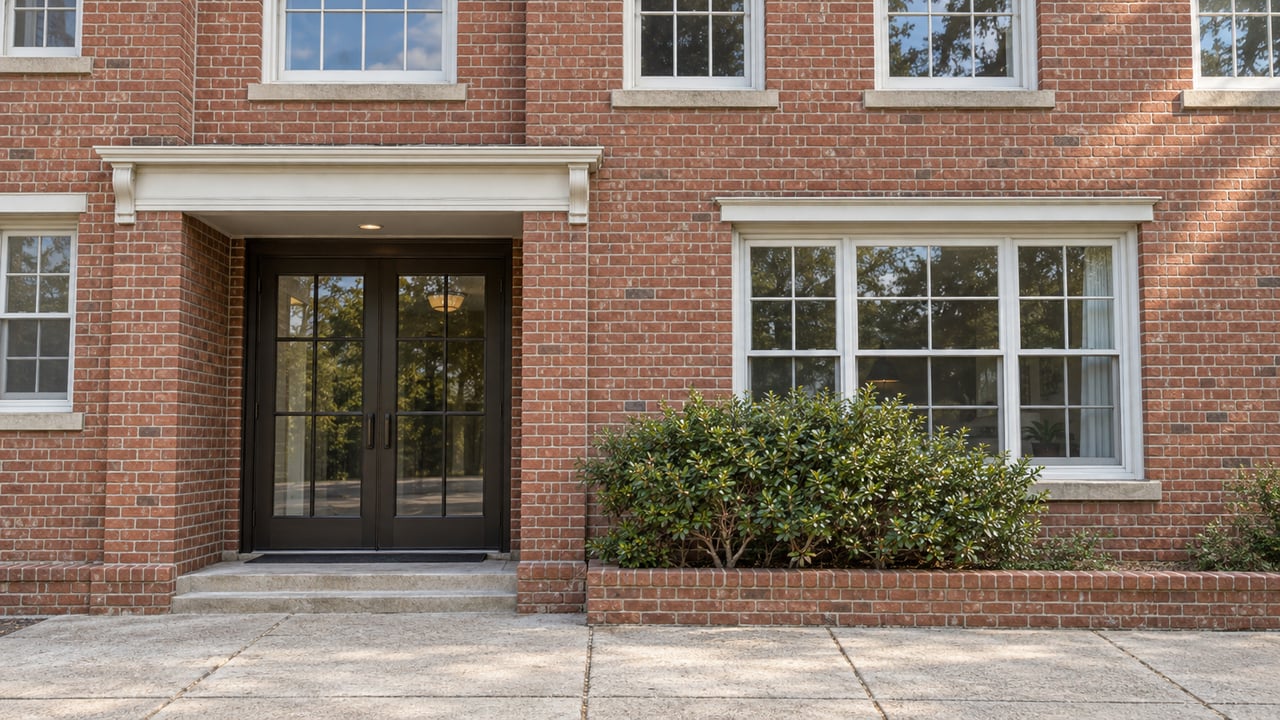
This pattern reflects the city’s larger development style. According to Chesapeake’s character district framework, some areas function as neighborhood centers with small-scale retail, restaurants, personal services, offices, and upper-floor residences, while others are more traditional shopping-center and strip-mall environments.
Living Environments Across Chesapeake
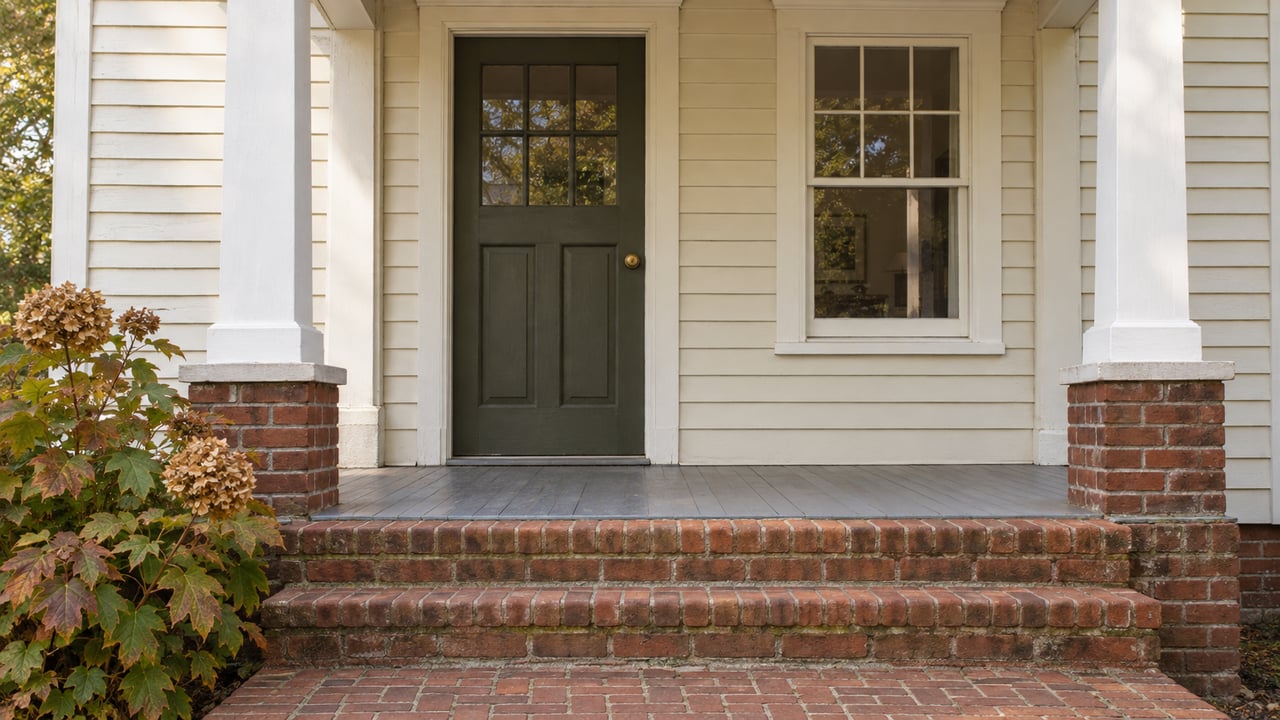
One of the most important things to understand about Chesapeake is that it is not one uniform suburb. The city’s planning documents support a simple conclusion: different areas can feel village-like, rural, historic, suburban, or more commercial depending on the planning area. That can be helpful if you are trying to match your home search to your routine and preferences.
Deep Creek and Grassfield
The city describes Deep Creek as suburban with a tight-knit, small-town feel. Grassfield is described as newer and low-density, with agricultural open space and suburban neighborhoods. If you are looking for a setting that feels less urban and more spread out, these areas may fit what you have in mind.
Great Bridge and Greenbrier
Great Bridge is described by the city as a fast-growing area with numerous suburban single-family subdivisions. Greenbrier offers a broader housing mix, with newer housing stock that includes single-family homes, townhomes, and apartments. Those differences can shape not just budget and home style, but also how close you feel to shopping, services, and major roads.
Western Branch, South Norfolk, and Southern Chesapeake
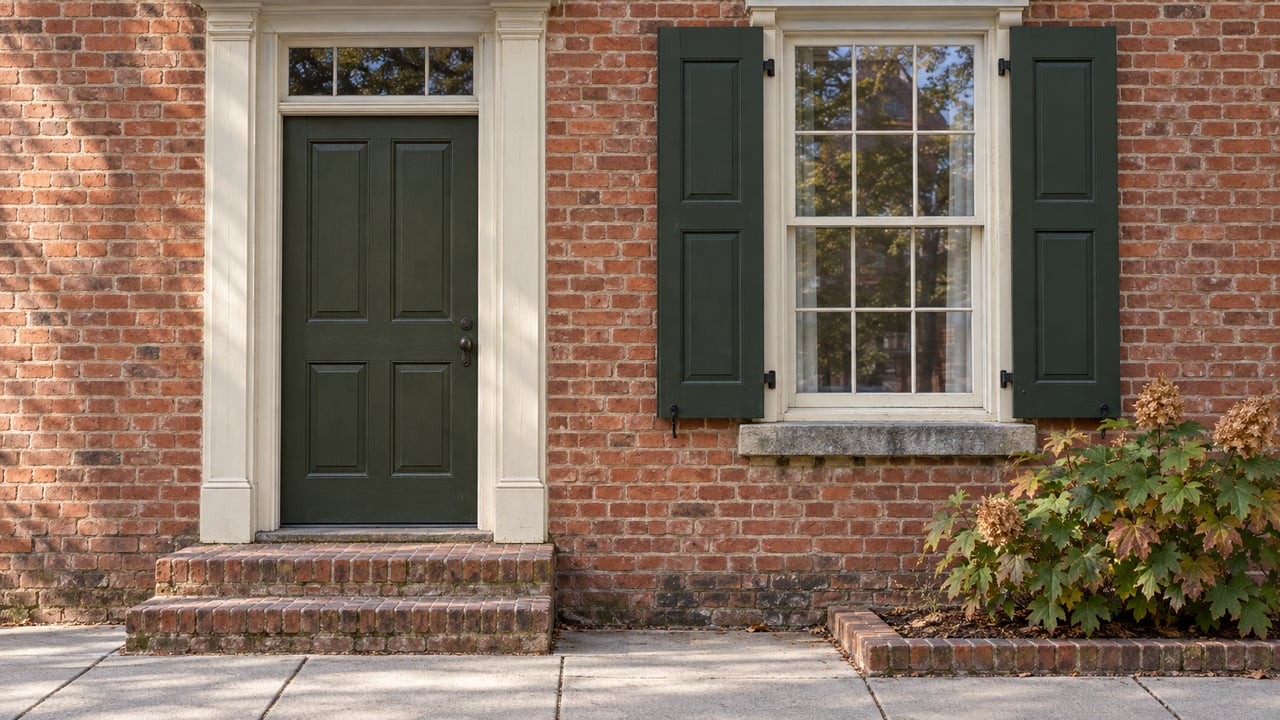
Western Branch is described as a mix of commercial development, suburban neighborhoods, and natural amenities. South Norfolk is Chesapeake’s oldest urban area, with a National Register historic district, dense gridded neighborhoods, and older housing stock. Southern Chesapeake is one of the city’s most rural planning areas, known for agricultural history, preserved open space, and a trend toward large-tract single-family homes.
For buyers, that range is part of Chesapeake’s appeal. You are not choosing from one kind of lifestyle. You are choosing among several distinct versions of everyday living within the same city.
Getting Around Chesapeake
Because Chesapeake is so large, transportation matters. The city says regional mobility is anchored by the Chesapeake Expressway and Dominion Boulevard, which connect the city to I-64 and North Carolina. The Expressway is described as a 16-mile, four-lane divided highway, while Dominion Boulevard is Route 17’s northern section in Chesapeake.
When you compare homes, it helps to think about more than the address. You may also want to consider how often you will drive to shopping areas, parks, work destinations, or other parts of Hampton Roads.
What This Means for Buyers
If you are home shopping in Chesapeake, lifestyle should be part of the search from the start. A home near Greenbrier may offer quick access to shopping and restaurants, while a home near Northwest River Park or in Southern Chesapeake may support a more outdoors-focused routine. A different area may offer a stronger mix of suburban neighborhoods and local convenience stops.
That is why neighborhood-level guidance matters. The right fit is not always the newest house or the largest lot. Often, it is the place that supports how you want to spend your weekdays, weekends, and time between them.
If you are thinking about buying or selling in Chesapeake, Conner and Company Real Estate can help you compare neighborhoods, understand how different areas live day to day, and move forward with clear local guidance.
FAQs
What is everyday life like in Chesapeake, VA?
- Chesapeake offers a mix of suburban, rural, historic, and more commercial environments across its ten planning areas, so daily life can feel very different depending on where you live.
What parks are popular in Chesapeake, VA?
- Chesapeake City Park, Northwest River Park, Chesapeake Arboretum, Oak Grove Park, Great Bridge Lock Park, and Western Branch Park are notable options with amenities ranging from playgrounds and trails to boating, fishing, and sports courts.
Where do people shop and dine in Chesapeake, VA?
- Greenbrier is the city’s main commercial hub for shopping, restaurants, and services, while Great Bridge, Indian River Road, South Military Highway, and Western Branch also offer everyday retail and dining options.
Is Chesapeake, VA a good fit for different home styles?
- Yes. City planning materials describe housing environments that range from newer suburban neighborhoods and mixed housing areas to older urban neighborhoods and more rural large-tract settings.
How big is Chesapeake, VA?
- Census data reports 338.46 square miles of land area, and city materials describe Chesapeake as a 353-square-mile city, which reflects how large and spread out the city feels in daily life.