Wondering if Portsmouth gives you the right mix of commute convenience, housing variety, and daily livability? If you are comparing Hampton Roads cities, Portsmouth often stands out for its waterfront setting, broad range of home styles, and access to jobs across the region. This guide walks you through what to expect from commuting, housing, and lifestyle in Portsmouth so you can decide whether it fits your goals. Let’s dive in.
Why Portsmouth Stands Out
Portsmouth is a compact Hampton Roads city with an estimated 2024 population of 96,482, and it offers a lot within a relatively small footprint. According to U.S. Census QuickFacts for Portsmouth, the city has a 57.9% owner-occupied housing rate, a median owner-occupied home value of $246,900, median gross rent of $1,300, and a mean travel time to work of 23.7 minutes.
That combination helps explain why Portsmouth draws attention from buyers and renters who want regional access without giving up character or waterfront appeal. You get a city shaped by neighborhoods, shoreline, and practical commuting options rather than a one-size-fits-all experience.
Portsmouth Commute Basics
If your job is in Norfolk, Portsmouth, Chesapeake, or another part of Hampton Roads, cross-river travel is simply part of everyday life. Portsmouth sits within a regional transportation network shaped by waterways, and the city identifies routes like I-264, the Downtown Tunnel, Midtown Tunnel, VA 164, US 17, Portsmouth Boulevard, and the South Norfolk Jordan Bridge as key connections in and around the area, according to the city’s 2025 emergency operations plan.
For many buyers, that means your commute will depend less on city limits and more on which tunnel, bridge, or corridor you use most often. Major local employers in Portsmouth also include Naval Medical Center Portsmouth and Norfolk Naval Shipyard, so some residents are able to stay closer to work while others commute across the region.
Ferry and transit options
One of Portsmouth’s most distinctive commute features is the Elizabeth River Ferry schedule and service map. Hampton Roads Transit operates year-round ferry service between High Street and North Landing in Portsmouth and Waterside in Norfolk, with weekday service beginning as early as 5:30 a.m.
That gives you a practical alternative to driving for some Norfolk commutes, while also adding a lifestyle perk that feels uniquely local. HRT also provides fixed-route bus service, paratransit, and ferry service in Portsmouth, and the city notes these services as part of its broader transportation planning resources.
Walkability and biking
Portsmouth also supports shorter, car-light trips in many areas. The city says it has more than 150 miles of sidewalks, bikeways, and multi-use paths, and it identifies Portsmouth as a nationally recognized Walk Friendly and Bike Friendly community in its transportation planning overview.
The city’s flat terrain and historic street patterns can make walking and biking appealing for errands, recreation, and getting around select neighborhoods. If you value having options beyond your car, that can be a meaningful part of daily life here.
Portsmouth Housing Options
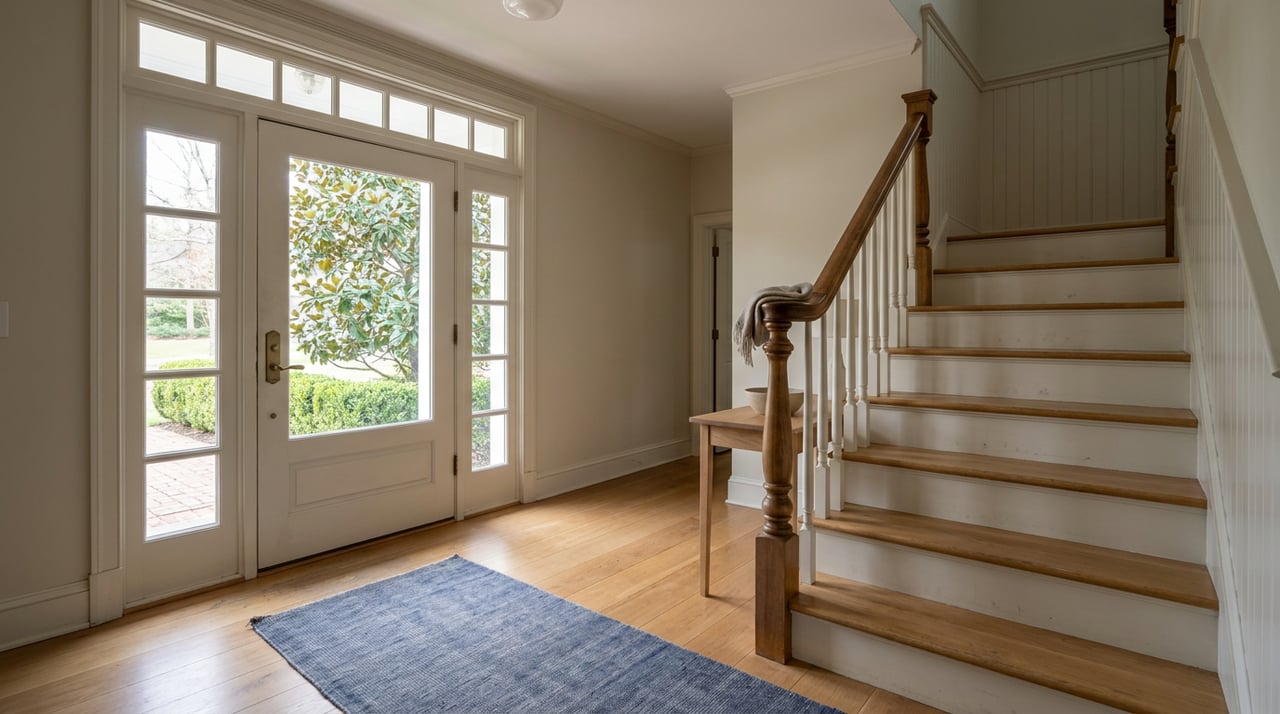
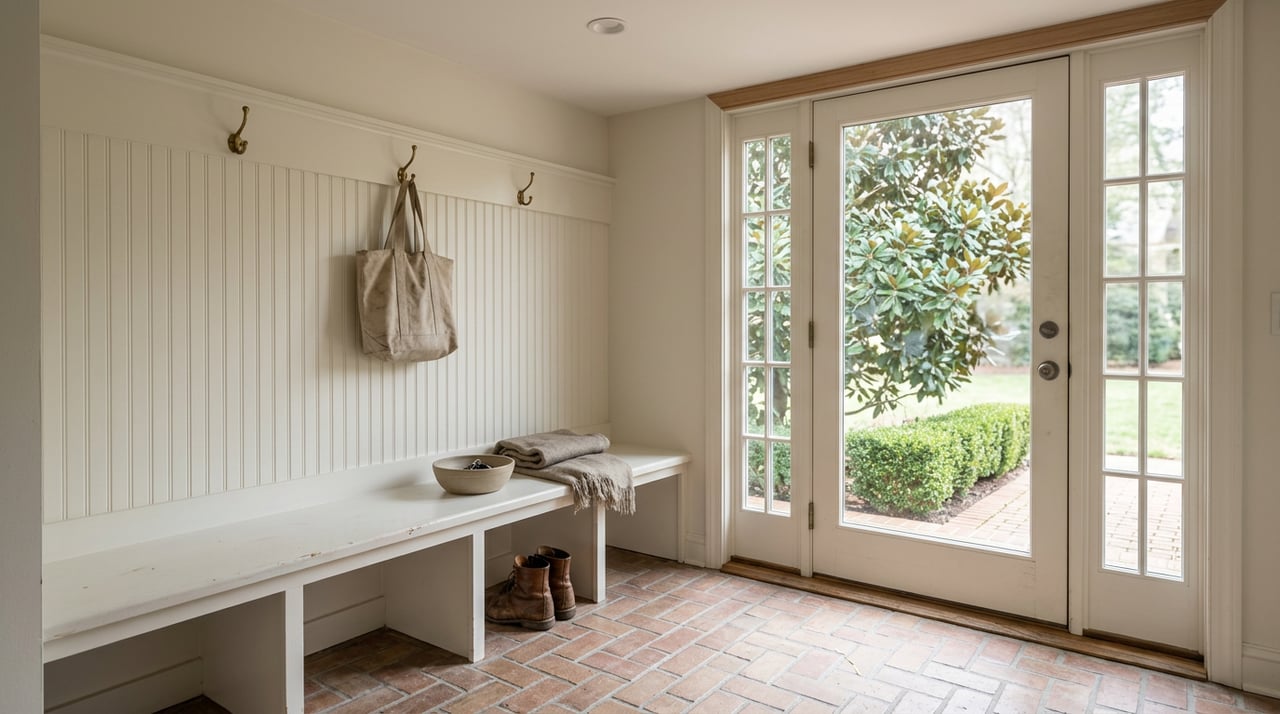
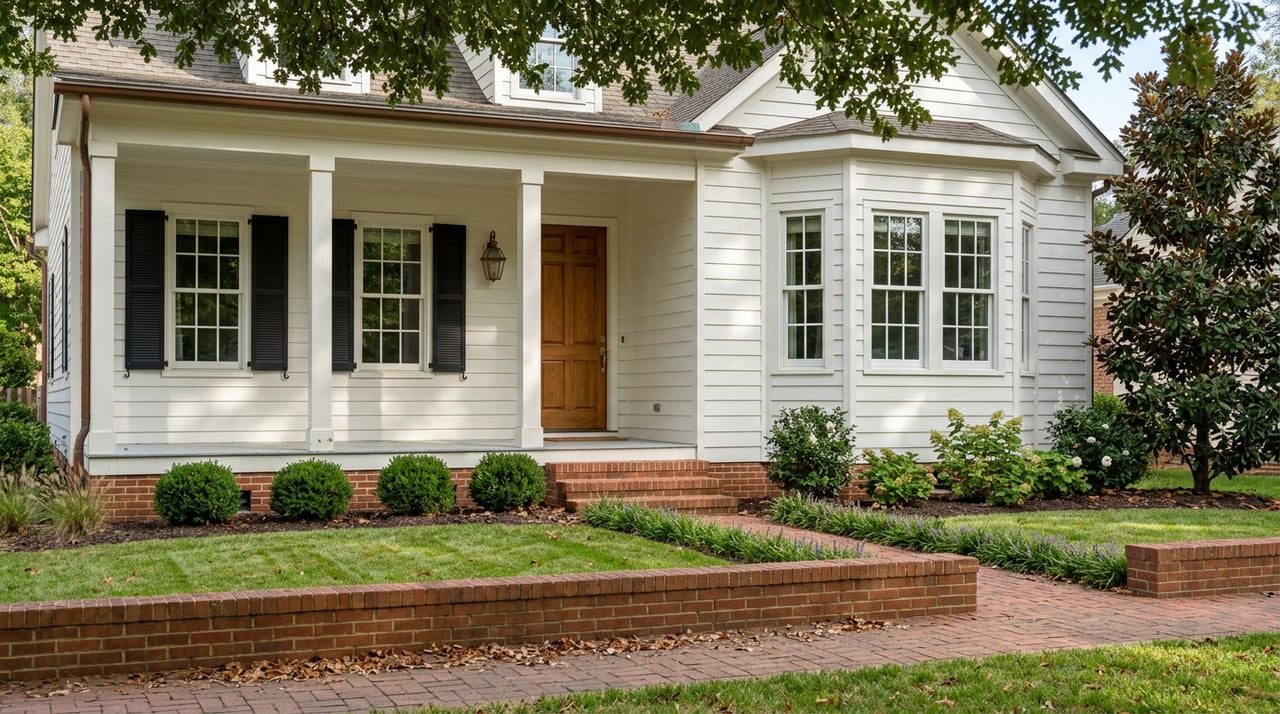
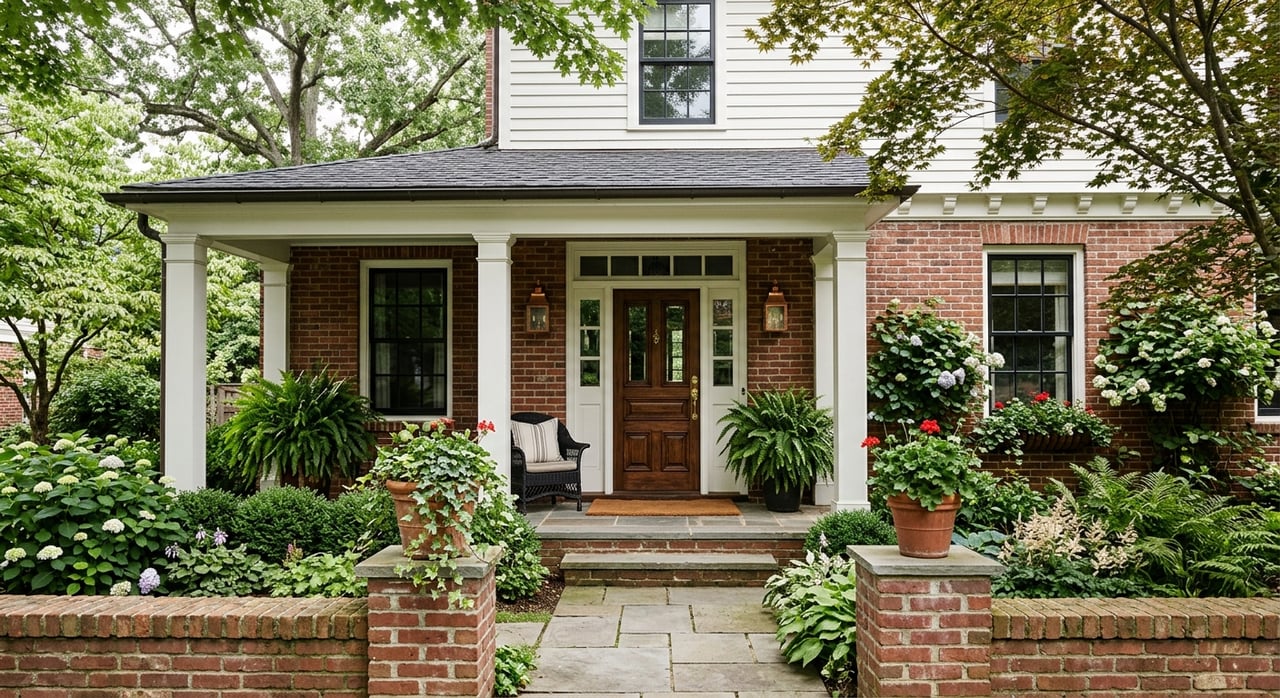
Portsmouth’s housing stock is one of its biggest strengths. For a relatively small city, it offers a wide spread of home styles, from historic properties and early-20th-century houses to ranch homes, townhomes, and newer builds.
That variety can be especially helpful if your priorities are changing. You might be looking for your first home, downsizing to something lower maintenance, relocating for work, or hoping to find a property with architectural character.
Historic districts and preservation rules
Portsmouth has five locally designated historic districts: Truxtun, Cradock, Port Norfolk, Olde Towne, and Park View. In these districts, exterior changes typically require a Certificate of Appropriateness through the city’s historic district process.
That does not mean historic ownership is a bad fit. It simply means you should understand the review process if you are considering updates to the exterior. For buyers who love older homes and preservation-minded neighborhoods, these areas can be especially appealing.
Neighborhood housing styles
The city’s neighborhood mix offers different looks and living patterns depending on where you focus your search. Visit Portsmouth’s neighborhood descriptions highlight several distinct housing profiles across the city.
Here are a few examples:
- Park View features early-20th-century homes, including Victorian houses, foursquares, duplexes, and restored historic residences.
- Long Point includes traditional single-family homes and newer builds near the waterfront.
- Churchland is often described as Portsmouth’s more suburban side, with ranch homes, modern subdivisions, townhomes, and newer development.
- Cavalier Manor includes many post-war suburban homes such as brick ranches and split-levels.
- Pepperwood Townhomes offers a more compact, lower-maintenance housing option.
This range gives you flexibility if you are weighing charm, upkeep, layout, lot size, or commute patterns.
Portsmouth Home Prices and Affordability
For many buyers, Portsmouth can offer a more accessible price point than several nearby cities. Census QuickFacts lists Portsmouth’s median owner-occupied home value at $246,900, compared with $289,900 in Norfolk, $378,400 in Chesapeake, $382,500 in Virginia Beach, and $347,400 in Suffolk.
Rental costs also compare favorably in many cases. Portsmouth’s median gross rent is $1,300, which is close to Norfolk’s $1,321 and below Chesapeake at $1,586, Virginia Beach at $1,714, and Suffolk at $1,563, based on the same Census source.
A recent Portsmouth housing market snapshot from Redfin reported a median sale price of $285,000 in February 2026, with homes selling in about 39 days. While market conditions can change, the broader picture suggests Portsmouth remains worth a close look if you want to balance budget, location, and housing variety in Hampton Roads.
Waterfront Living and Daily Lifestyle
Portsmouth’s waterfront identity shapes both its scenery and its everyday rhythm. The city says Portsmouth has about 90 miles of shoreline along the Intracoastal Waterway, along with public access marinas at High Street, Harbor Court, Crawford Bay, Scott’s Creek, the Western Branch of the Elizabeth River, and other inlets, according to the city’s data profile.
That shoreline presence is not just visual. It influences recreation, events, public spaces, and the sense of place in many parts of the city.
Downtown and Olde Towne feel
Downtown Portsmouth, especially around High Street and Olde Towne, functions as one of the city’s most visible activity centers. The city’s museum system includes the Children’s Museum of Virginia, Portsmouth Art & Cultural Center, Portsmouth Naval Shipyard Museum, Lightship Portsmouth Museum, and Portsmouth Colored Community Library Museum, all clustered near the compact downtown core.
The Portsmouth Welcome Center is on High Street across from the Children’s Museum and two blocks from the High Street ferry landing, which reinforces how walkable and connected this area can feel. Parking garages near High Street Landing and North Landing also help support access to the waterfront and downtown destinations.
Parks and outdoor recreation
If outdoor access matters to you, Portsmouth has several well-known spots worth noting. The city’s parks department highlights Paradise Creek Nature Park, Hoffler Creek Wildlife Preserve, City Park activities, a public pool, and a splash park as part of the local recreation mix.
The same parks resources also point to recurring community events such as the Seawall Festival, Olde Towne Holiday Music Festival, Memorial Day Parade, and seasonal activities at City Park. These are the kinds of amenities that can make a city feel active and connected throughout the year.
Who Portsmouth May Fit Best
Portsmouth may be a strong fit if you want more than just a place to sleep between workdays. Based on the housing, transit, and waterfront data, the city can appeal to buyers who want a somewhat more affordable entry point in Hampton Roads, along with historic areas, river access, and manageable regional commuting.
You may want to look more closely at Portsmouth if you are hoping for:
- A mix of historic and newer housing styles
- Access to ferry, bus, walking, or biking options
- A shorter average commute, with a city mean of 23.7 minutes
- Waterfront amenities and public access points
- A location that keeps you connected to Norfolk and other Hampton Roads job centers
Your best neighborhood match will depend on your housing style, maintenance preferences, and commute routine. Buyers drawn to preservation-friendly older homes may focus on Olde Towne, Park View, Port Norfolk, Cradock, or Truxtun, while those looking for fewer historic-district constraints may prefer Churchland, Cavalier Manor, Pepperwood, or other areas with a newer-feel housing mix.
Final Thoughts on Living in Portsmouth
Portsmouth offers a combination that can be hard to find in one place: regional access, varied housing, and a real waterfront identity. Whether you are relocating for work, buying your first home, or searching for a neighborhood with more character and value, Portsmouth gives you multiple ways to match your lifestyle to your budget and commute.
If you are thinking about buying or selling in Portsmouth or anywhere in Hampton Roads, Conner and Company Real Estate can help you compare neighborhoods, understand market options, and move forward with confidence.
FAQs
What is the average commute time for people living in Portsmouth, VA?
- According to U.S. Census QuickFacts, the mean travel time to work in Portsmouth is 23.7 minutes.
What kinds of homes can you find in Portsmouth, VA?
- Portsmouth offers a wide mix of housing, including historic homes, early-20th-century residences, ranch homes, split-levels, townhomes, and newer builds depending on the neighborhood.
What should buyers know about Portsmouth historic districts?
- Portsmouth has five locally designated historic districts, and exterior changes in those areas typically require a Certificate of Appropriateness through the city.
Is Portsmouth, VA more affordable than nearby Hampton Roads cities?
- Based on Census median owner-occupied home values and rents, Portsmouth is generally lower than several nearby cities including Chesapeake, Virginia Beach, and Suffolk, and lower in home value than Norfolk as well.
What transportation options are available in Portsmouth, VA?
- Portsmouth offers road access through major regional routes, HRT bus service, paratransit, ferry service to Norfolk, and extensive sidewalks, bikeways, and multi-use paths.
What is there to do near downtown Portsmouth, VA?
- Downtown Portsmouth includes waterfront access, museums, ferry connections, walkable High Street destinations, and community events supported by nearby parks and public spaces.