Love your Ghent home’s original millwork and porch but worry today’s buyers expect quartz, smart lighting, and turnkey systems? You are not alone. The good news is you can honor the neighborhood’s history and still compete in today’s market. In this guide, you will learn how to stage a historic Ghent house so it shines online and in person without erasing its character. Let’s dive in.
Know Ghent’s value and lifestyle
Ghent’s story is part of your home’s appeal. The neighborhood grew between the 1890s and 1930s and is recognized as a historic district with architecturally significant homes and streetscapes, according to the Virginia Department of Historic Resources listing for Ghent. Lifestyle matters too. Local groups highlight tree-lined streets, porches, walkable retail, and proximity to arts, dining, and downtown described in the Ghent overview of neighborhood amenities.
Set expectations with real data. At a recent reporting period, the Realtor.com Ghent snapshot showed a median sale price near $355,000 with relatively quick market times. You should refresh these figures before you list. The takeaway is clear: showcase period charm while proving modern function and low-maintenance living.
Check rules before you stage
Confirm ARB approvals
Ghent sits in a Local Historic District, so visible exterior changes often need a Certificate of Appropriateness. Review the Norfolk Architectural Review Board guidance and agendas before you plan any exterior tweaks. The city favors repair and historically compatible materials, and it closely reviews visible items like windows, porches, and mechanical equipment.
Use preservation briefs to guide choices
When you decide what to refresh, repair, or replace, lean on best-practice guidance. The National Park Service’s Preservation Briefs outline how to identify and protect character-defining interior elements like trim, stairs, mantels, and built-ins. Use this as your north star and preserve what buyers come to Ghent to find. For a practical reference, see Preservation Brief 18 on character-defining interiors.
Set smart staging priorities
Safety and systems first
Buyers of older homes look for signs that major systems are sound. Service the HVAC, check the roof, test outlets and fixtures, and gather documentation. If exterior penetrations or visible equipment are part of any work, consult ARB staff about placement and screening to avoid issues during reviews and showings.
Windows and weatherization
Repair original windows where possible and, if needed, add appropriate storm windows or interior insulating panels. This preserves visual integrity and comfort for showings. The NPS recommends repair first and compatible replacement only when beyond repair. Review NPS guidance on weatherizing historic windows and doors before making changes.
Focus on high-impact rooms
Put most of your budget into spaces that shape offers. NAR research shows agents most often stage kitchens and main living areas because they influence buyers the most. Bedrooms and baths also matter in photos and in person. See NAR’s summary on why staging pays off and where to focus.
Room-by-room guidance
Entry and porch
- Clear sightlines to original columns, railings, and trim.
- Add simple, period-appropriate seating and tidy planters.
- Treat the porch like an outdoor room to highlight daily living.
Living and dining rooms
- Keep built-ins, mantels, and moldings visible and well lit.
- Choose right-sized furniture so openings and flow read well.
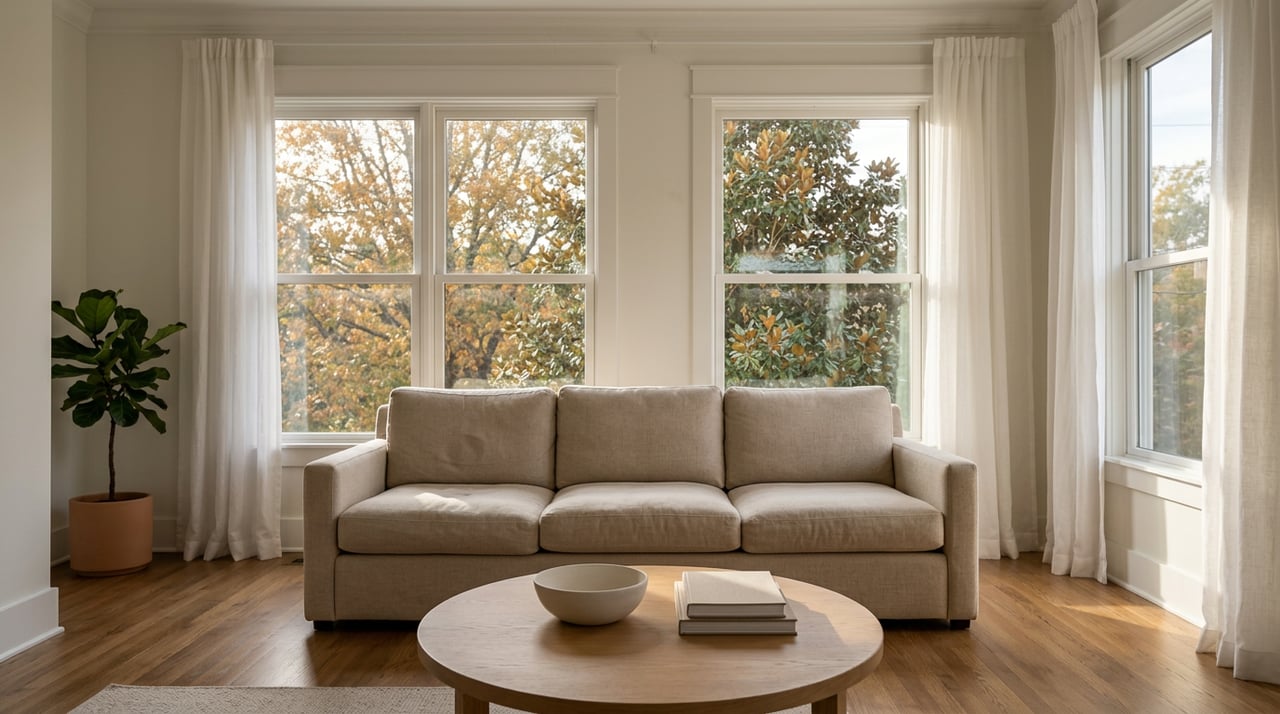
- Use neutral upholstery so original woodwork stands out in photos.
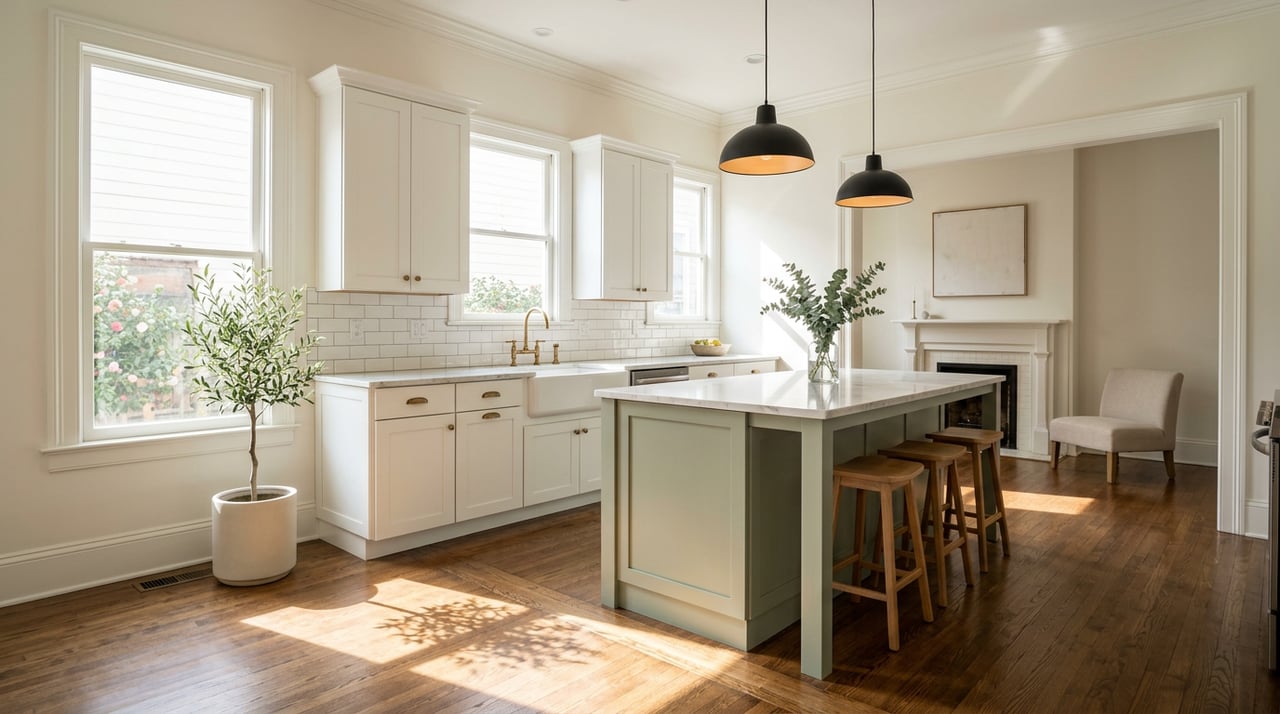
Kitchen
- Prioritize clean counters, working appliances, and good lighting.
- If you have original cabinetry, consider tasteful hardware updates and a light paint refresh that respects historic materials.
- Show storage and work zones. Use clear containers in the pantry or open shelves to illustrate function.
Bathrooms
- Freshen grout and caulk. Polish fixtures and glass.
- Add updated mirrors and lighting that nod to the period style.
- Keep counters clear with a few high-quality towels and soaps.
Bedrooms and small rooms
- Remove extra furniture to show circulation and wall space.
- Layer lighting and use simple, period-friendly textiles.
- Choose lighter wall colors to open narrow halls and cozy rooms.
Floors and finishes
- Deep clean or refinish original hardwoods when feasible.
- Repair rather than replace where you can, especially in visible rooms.
- Protect floors during prep to avoid last-minute touchups.
Style choices that honor character
Do not erase the personality that draws buyers to Ghent. Neutralize color and clutter while keeping trim, transoms, and built-ins front and center. For paint and finishes, follow sensitive, research-based approaches like those in the NPS brief on painting historic interiors. Use warm woods, brass accents, woven textures, and simple art that complements the era without turning the home into a museum.
A few simple rules help:
- Keep original elements visible. Do not cover millwork with oversized sofas or heavy drapes.
- Mix old and new. Pair a classic pedestal table with clean-lined chairs.
- Let light do the work. Open shades and use warm bulbs to highlight details.
Photography that sells the story
Strong photos are your first showing. Plan your shoot after staging is complete, with windows cleaned and bulbs matching in color temperature. High-quality images improve click-throughs and showing requests.
Photo-day prep
- Declutter surfaces and remove personal photos and collectibles.
- Open window treatments to bring in natural light.
- Style the porch and capture it as usable living space.
- Aim for a balanced mix of wide shots and detail shots that showcase original features and updates.
Shot list for historic homes
Target 20 to 30 images for a typical Ghent listing and capture both flow and detail. For a helpful framework on sequencing and variety, review these real estate photography shot planning tips.
Priority shots:
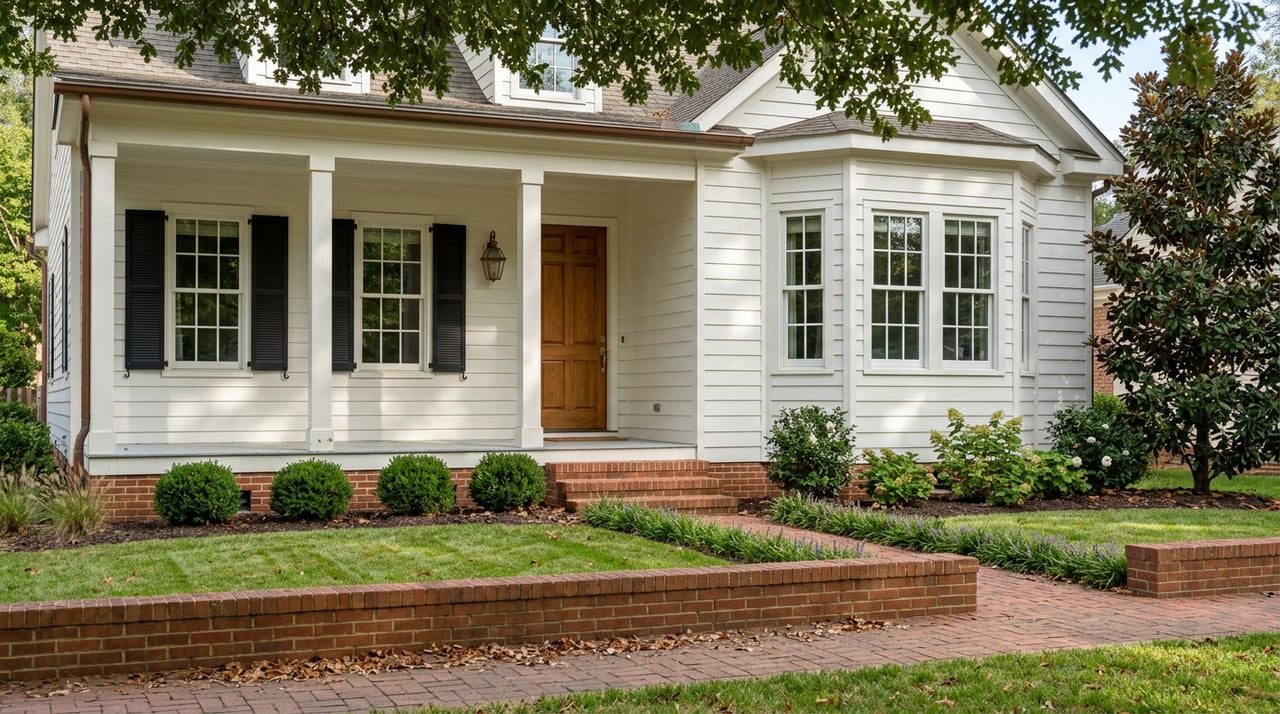
- Front exterior by day showing porch and façade proportions.
- Twilight exterior that glows with warm interior light.
- Living room angle that shows trim, mantel, and room flow.
- Dining room with a detail of built-ins or molding.
- Kitchen wide shot plus a close-up of appliances or counters.
- Primary bedroom and en-suite bath.
- Bath details like tile, mirrors, and fixtures.
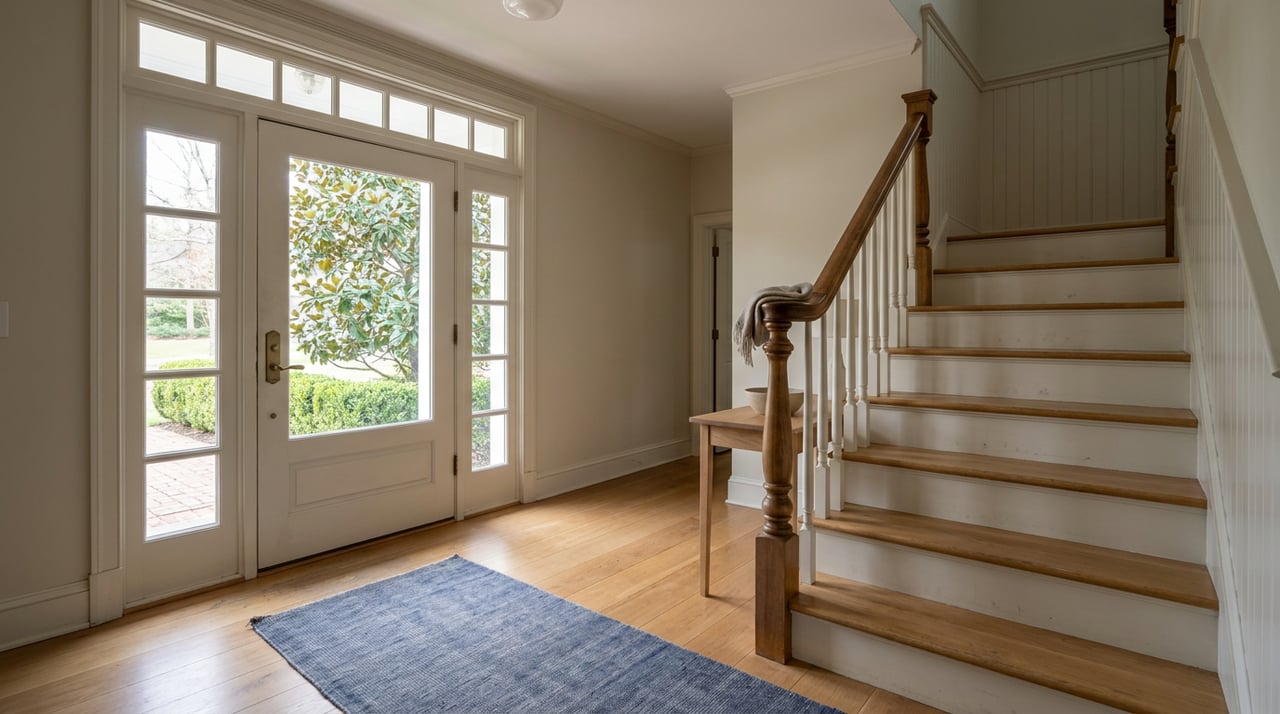
- Staircase, leaded or stained glass, and original hardware.
- Backyard or side porch staged as a living area.
- Neighborhood lifestyle images that underline walkability.
Timeline, budget, and ROI
A simple plan helps you stay on track:
- Weeks 4–6: Gather documentation, inspect major systems, and consult ARB if exterior changes are planned. Reference current ARB agendas and guidance before you start.
- Weeks 3–4: Tackle safety repairs, roof and HVAC service, and window fixes.
- Weeks 2–3: Deep clean, paint touchups, and minor cosmetic updates.
- Week 1: Install staging, then schedule photography and floor plans. Go live once assets are complete.
Budget depends on size and scope. National surveys show partial staging and decluttering can run a few hundred to a few thousand dollars, while full-home staging may range higher for larger properties. NAR reports that many agents see staged homes sell faster and attract higher offers, as noted in the NAR newsroom report on staging ROI. In Ghent, a targeted plan that prioritizes the kitchen, main living area, and primary bedroom often delivers the best return relative to neighborhood price points.
Local resources and next steps
- Preservation and design guidance: Explore NPS technical resources on preservation topics and use Preservation Brief 18 on interiors to support your decisions.
- ARB and permitting: Confirm processes and timelines with the City of Norfolk. Start with the Architectural Review Board’s agendas and guidance if you plan any visible exterior work.
- Neighborhood context: For walkability and lifestyle photos or vendor ideas, check the Ghent overview of neighborhood amenities.
Ready to stage your Ghent home with a plan that respects history and wins today’s buyers? Our boutique team pairs historic-home know-how with professional marketing to deliver standout listings and smooth closings. Start a conversation with Conner and Company Real Estate today.
FAQs
Do I need ARB approval for exterior changes in Ghent?
- If a change is visible from the street, a Certificate of Appropriateness is usually required. Review the city’s process in recent Norfolk ARB agendas and guidance before scheduling work.
Will staging erase my historic home’s character?
- No. Good staging preserves and highlights character-defining elements like trim, mantels, and built-ins while neutralizing personal items. See NPS guidance on character-defining interiors.
Should I replace my original windows before listing?
- Not necessarily. The NPS recommends repairing historic windows first and using appropriate storms or interior panels, with replacement only when beyond repair. Review NPS window weatherization guidance.
Which rooms deliver the best staging ROI?
- Focus on the kitchen, main living areas, and the primary bedroom and bath. NAR findings show these spaces influence buyers most and support faster, higher offers. See NAR’s staging focus guidance.