Love strolling past West Freemason’s brick rowhouses and wondering what style they are? If you are drawn to character, this neighborhood’s mix of Federal, Victorian, and Colonial Revival homes will keep you looking up at cornices and doorways. In this guide, you will learn how to spot key features, what renovations usually require in a historic district, and what to check when touring a home. Let’s dive in.
West Freemason at a glance
West Freemason sits next to downtown Norfolk and the waterfront, and it is one of the city’s oldest residential neighborhoods. You will see closely spaced townhouses and rowhouses on narrow lots, mature street trees, and short blocks that create a walkable streetscape. The area grew from the 18th through early 20th centuries, which explains the variety of styles on the same street. The neighborhood is a designated historic district, so exterior changes often require review and approval to protect the look and feel of the streetscape.
Style guide: how to spot each one
Federal style
The Federal style is one of the earliest looks you will find here. These homes often have a symmetrical front, two or three stories, and a centered entry with a simple surround. You might see a low-pitched roof, sometimes hidden by a parapet, and double-hung windows with 6-over-6 or 9-over-9 panes.
In West Freemason, Federal homes often appear as narrow brick townhouses with restrained details. Look for thin, flat brickwork, classical touches like pilasters or lintels, and elegant fanlights or sidelights around the front door. If you buy one, try to preserve original doors, sash, and brickwork. Masonry repairs should match the historic mortar type to avoid damage.
Italianate (Victorian)
Italianate facades lean tall and stately, with a vertical emphasis that fits narrow urban lots. You will spot wide bracketed cornices at the roofline and tall, narrow windows, sometimes with arched tops. Door and window surrounds are usually ornate, and many examples in the area are brick with heavy masonry details.
When renovating, focus on the brackets and cornice. Careful wood repair or replication is common, since these features are focal points. Keep window proportions and profiles consistent with the original design for a unified look.
Queen Anne / Free Classic (Victorian)
Queen Anne homes are the most eclectic of the Victorian group. Expect asymmetry, bay windows, patterned shingles, and porches with turned posts and spindle work. Rooflines vary and textures change from one section of the facade to another.
In Freemason, Queen Anne details reflect the neighborhood’s Victorian-era growth and prosperity. Porches and trim are character-defining, so plan to repair and consolidate wood before considering replacement. Overhanging bays and decorative elements may need structural attention, especially if water has been an issue.
Other Victorian touches
You may also see a few homes with Second Empire or Stick influences. Second Empire is easy to spot with its mansard roof, while Stick features show off visible framing patterns on exterior walls. These appear less often but add depth to the area’s timeline.
Colonial Revival
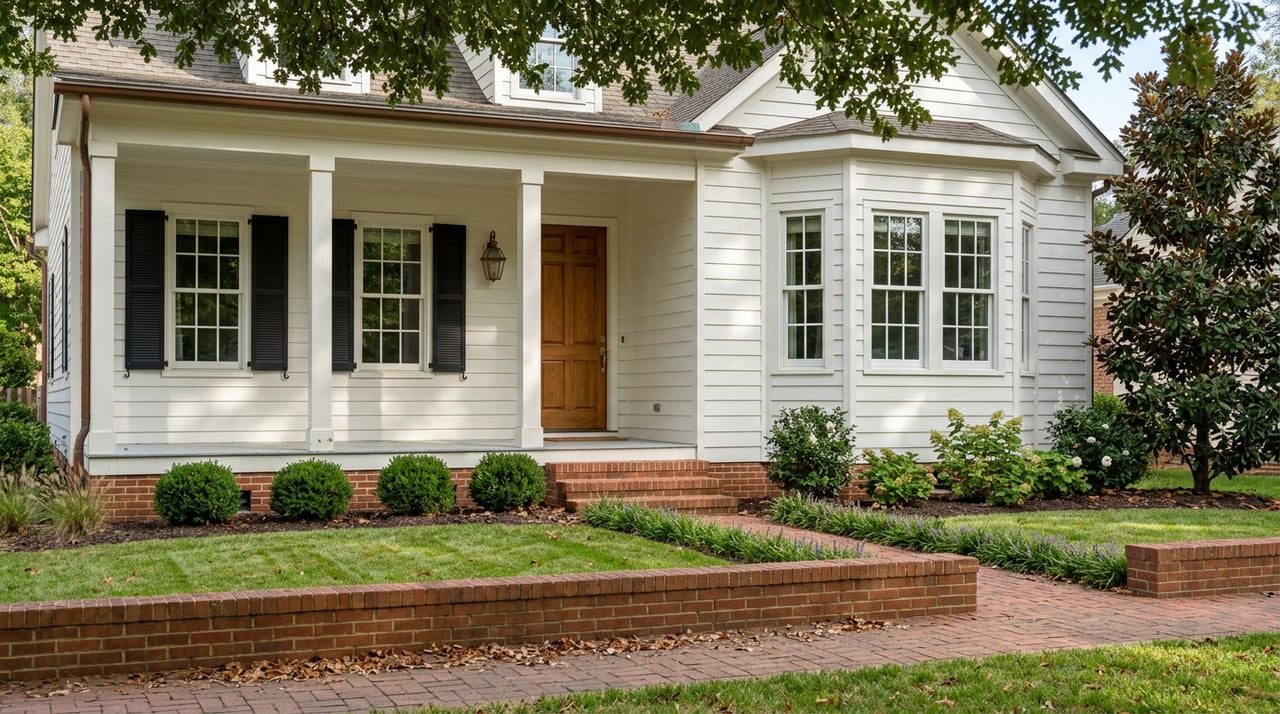
Colonial Revival returned to symmetry and classical order in the early 20th century. Think centered doors with pediments or small columned entries, multi-pane double-hung windows, and restrained classical details. The style often reads as a modernized nod to earlier colonial forms.
In West Freemason, Colonial Revival appears both as original construction and as later updates to older properties. If you renovate, keep proportions and profiles consistent, especially around doors, windows, and trim. Replacement parts should match historic profiles so the facade remains cohesive.
Common elements around the block
- Rowhouse massing on narrow lots with party walls and continuous rooflines.
- Porches and stoops that set the tone of the street, often wood on older homes.
- Masonry details, like varied brick bonds, stone lintels, and decorative cornices.
- Historic alleys and occasional carriage houses that have been adapted over time.
Renovation and preservation basics
Know the rules before you plan
Because West Freemason is within a local historic district, exterior changes usually require a formal review and a Certificate of Appropriateness or similar approval. This can cover demolitions, additions, visible new construction, and significant repairs, and sometimes color or material changes. Early contact with the local Historic Preservation office or review board will help you understand design guidelines and process.
Preservation work is often evaluated using the Secretary of the Interior’s Standards. These standards favor keeping original materials and character-defining features in place. If you propose a change, plan to show how it respects the home’s historic character while meeting modern needs.
Incentives to explore
Federal Historic Rehabilitation Tax Credits are designed for income-producing properties rather than owner-occupied single-family homes. Some states and cities offer their own incentives, like tax credits, grants, or property tax relief. Availability and eligibility change, so verify current programs through Virginia and the City of Norfolk.
Practical upgrade tips
- Windows: Historic wood windows are often repairable and can perform well with weather-stripping and storm windows. If replacement is necessary, use profiles and sightlines that match the originals.
- Masonry: Match mortar composition and color to the historic mix, and avoid hard Portland cement that can harm older brick. Repoint only where mortar is failing.
- Porches and trim: Repair and consolidate wood before replacing any part. If elements are missing, use historic photos or similar local examples to guide accurate replication.
- Systems: Plan HVAC, electrical, plumbing, and insulation upgrades to minimize exterior changes. Use attics, basements, interior chases, and reversible methods when possible.
- Moisture and foundations: Control water with solid grading, gutters, downspouts, and drainage. Watch for rising damp and basement moisture, which can threaten structure and finishes.
- Hazardous materials: Older homes may contain lead-based paint or asbestos. Budget for testing and safe remediation by licensed professionals.
- Accessibility and code: Seek reversible solutions that improve access without altering primary facades.
Your best team
- Historic-preservation architect or an architect with historic experience
- Contractor skilled in historic rehab and matching methods
- Structural engineer familiar with older framing and foundations
- Historic preservation planner or consultant for permits and incentives
- Local preservation organizations for guidance and technical tips
Touring a historic home: your checklist
Use this short list to guide your first walk-through. It helps you spot red flags early and focus your inspection.
Exterior and structure
- Roof age and flashing, including any slate or specialty shingles
- Gutters and downspouts, plus signs of water staining
- Foundation cracks, bulging, or settlement
- Brick or stone condition and mortar integrity
- Porches, steps, rails, and columns for rot or movement
- Chimneys and flues for stability and maintenance
Windows, doors, and details
- Original windows present, and their condition and operation
- Drafts, rot, or failed glazing putty at sash
- Doors, transoms, and sidelights intact and operable
- Decorative cornices, brackets, and trim preserved or replaced
Systems and interiors
- Electrical capacity and wiring type, including any knob-and-tube or aluminum
- HVAC age and how ductwork was added to the house
- Plumbing material, including any lead or galvanized piping
- Insulation location and ventilation needs
- Evidence of water intrusion, mold, or termite damage
Site and environment
- Flood risk based on proximity to the waterfront and local flood-zone maps
- Grading and drainage patterns around the foundation
- Trees near the house that could threaten roofing or roots at foundations
Ask for documentation
- Historic-preservation approvals for past exterior work
- Building permits for major alterations and system upgrades
- Prior inspection and termite reports
- Service records for roof, HVAC, and other major systems
- Historic photos or research used during past restorations
Questions to discuss with the seller
- Which original features remain, and what has been replaced?
- Were materials and details matched during past repairs?
- Are there preservation restrictions or easements on the property?
- Has the home been elevated or otherwise mitigated for flood risk?
Flood and site considerations in Norfolk
Water shapes life in Norfolk, and West Freemason’s location near the harbor adds to its appeal. It also means you should check your specific property’s flood-zone designation and any elevation certificate on file. Your lender may require flood insurance if the home sits in a designated zone. Good drainage and roof-to-ground water management go a long way toward protecting historic materials.
A quick visual cheat sheet
Your phone can be your best research tool during showings. Take a few focused photos to review later and share with your inspector or contractor.
- Streetscape context that shows the rhythm of rowhouses and tree canopy
- Close-ups of cornices, brackets, and window hoods to confirm style details
- Door surrounds with fanlights or sidelights on Federal or Colonial Revival homes
- Porch trim, turned posts, spindles, and patterned shingles on Queen Anne examples
- Brick bonding patterns, stone lintels, and any repairs that need attention
- Interior details like mantels, staircases, wainscoting, plaster, and stained glass
Label photos with short notes, such as “Italianate, bracketed cornice” or “Federal, 6-over-6 sash,” to keep your style IDs straight. These quick notes make contractor conversations faster and clearer.
Next steps for your West Freemason search
If you love the architecture, balance your wish list with the realities of maintenance, approvals, and flood considerations. Start by confirming whether exterior plans will need historic review, and build a realistic budget for wood repair, masonry, and system upgrades. Bring the right pros in early, especially for structural and moisture assessments. With good planning, you can preserve character, add comfort, and protect long-term value.
Ready to tour homes or discuss a project plan for a property you have in mind? Reach out to our local team at Conner and Company Real Estate for neighborhood-level guidance, thoughtful buyer representation, and vendor introductions that fit historic homes.
FAQs
What makes West Freemason a historic district?
- The neighborhood’s 18th to early 20th century buildings and intact streetscapes led to national and local designation, which helps preserve character and guides exterior changes through a review process.
Are exterior changes allowed on historic homes in Norfolk?
- Yes, but most visible exterior work in a local historic district requires review and a Certificate of Appropriateness, including additions, major repairs, and some material or color changes.
Can I get tax credits to renovate a historic home?
- Federal Historic Rehabilitation Tax Credits typically apply to income-producing properties, not owner-occupied single-family homes; some state or local incentives may be available, so verify current programs.
How can I improve energy efficiency without losing character?
- Repair and weather-strip historic wood windows and consider storm windows, upgrade insulation in attics and basements, and plan systems upgrades that avoid altering exterior features.
What should I ask during a tour of a historic home?
- Ask which original features remain, what materials were used in past repairs, whether permits and preservation approvals exist, and if there are reports for structural, termite, or moisture issues.
Do I need flood insurance in West Freemason?
- It depends on the property’s flood-zone designation; check maps and any elevation certificate, and your lender may require flood insurance if the home is in a designated zone.