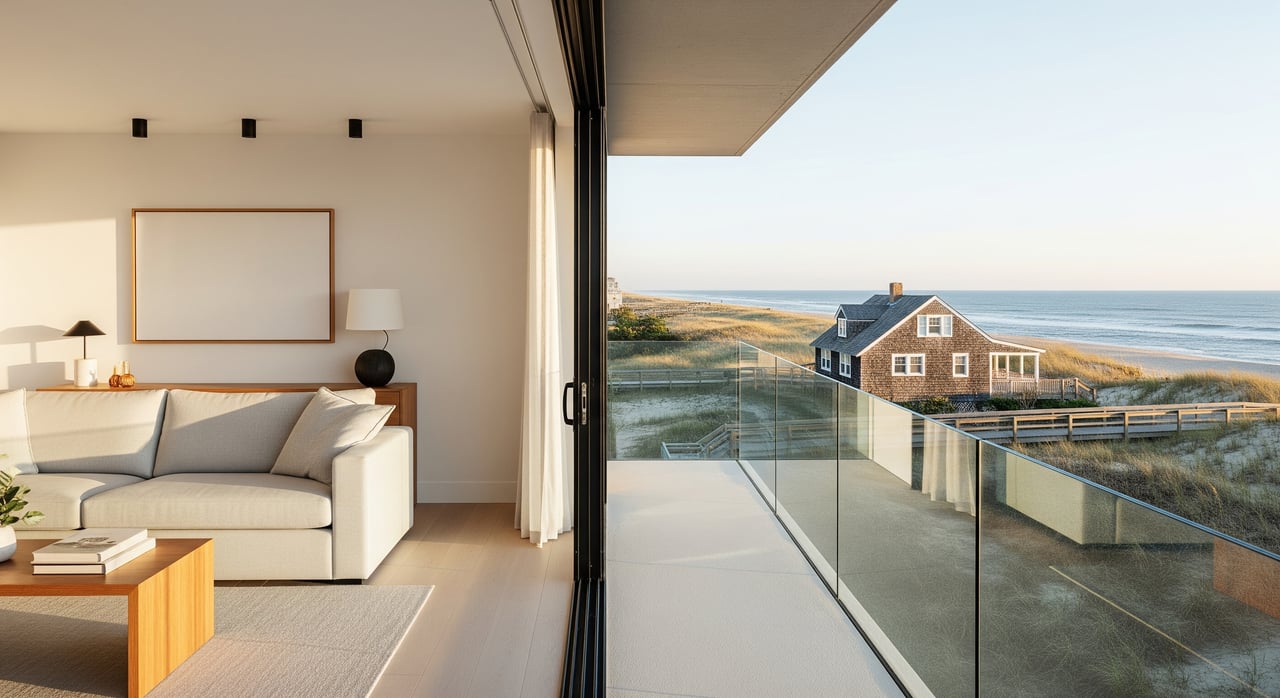
Are you torn between the easy condo lifestyle and the charm of a detached beach cottage in Virginia Beach’s North End? You are not alone. Both options put you close to the ocean, but they come with different costs, rules, and day-to-day realities. In this guide, you will learn how condos and cottages compare on expenses, maintenance, parking, short-term rentals, financing, insurance, and resale so you can choose with confidence. Let’s dive in.
North End snapshot: condos vs. cottages
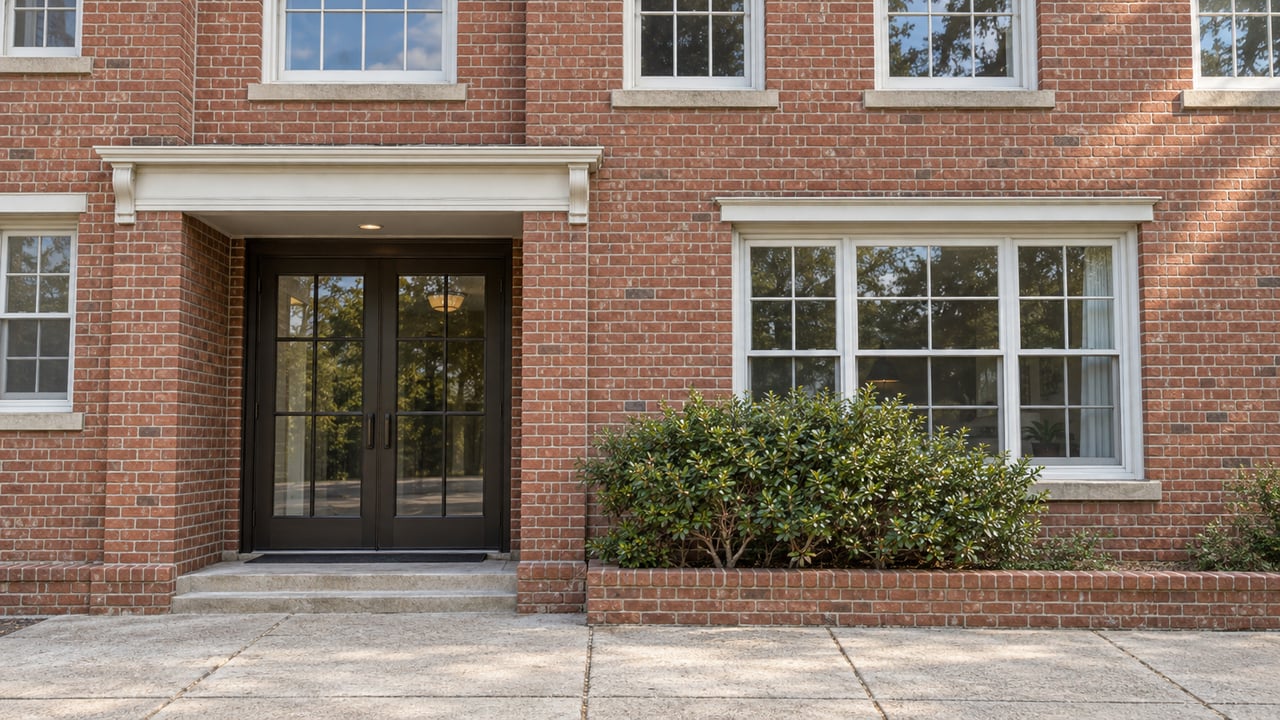
Condos in the North End often deliver a lower maintenance lifestyle. Exterior care, common areas, and building systems are handled by a homeowners association, and you usually get assigned parking. In return, you accept HOA dues, community rules, and possible limits on rentals.
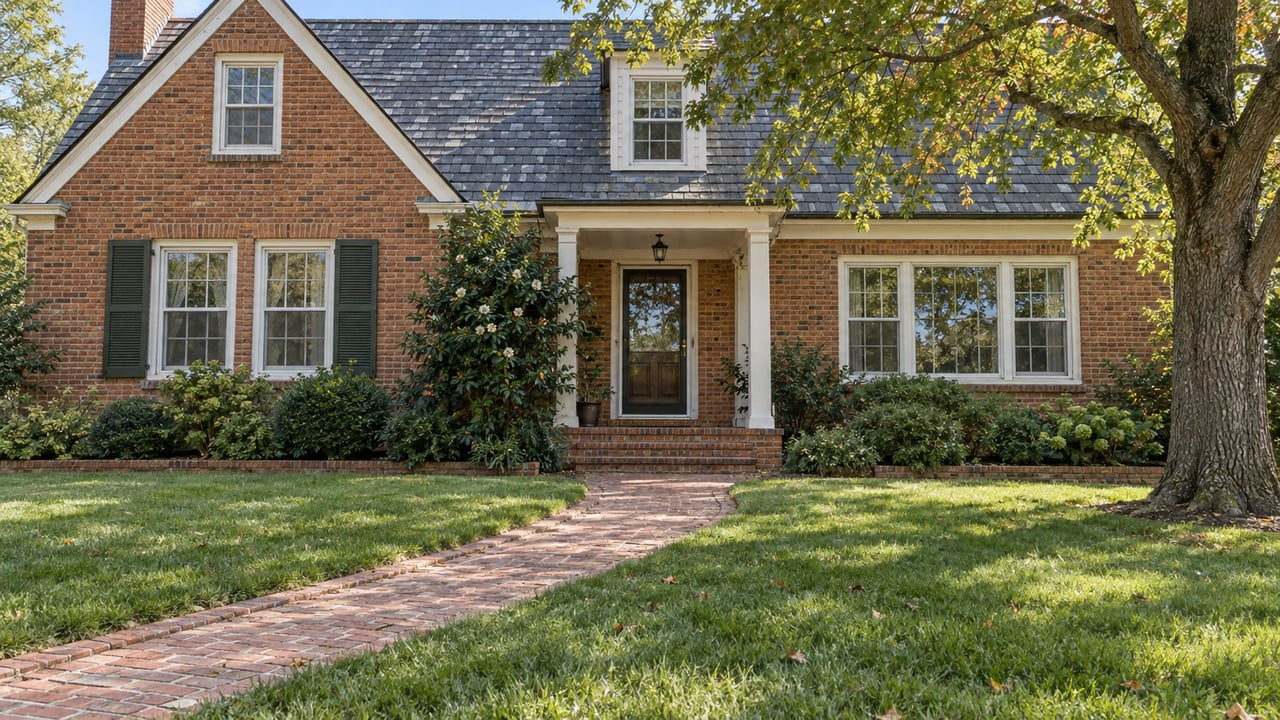
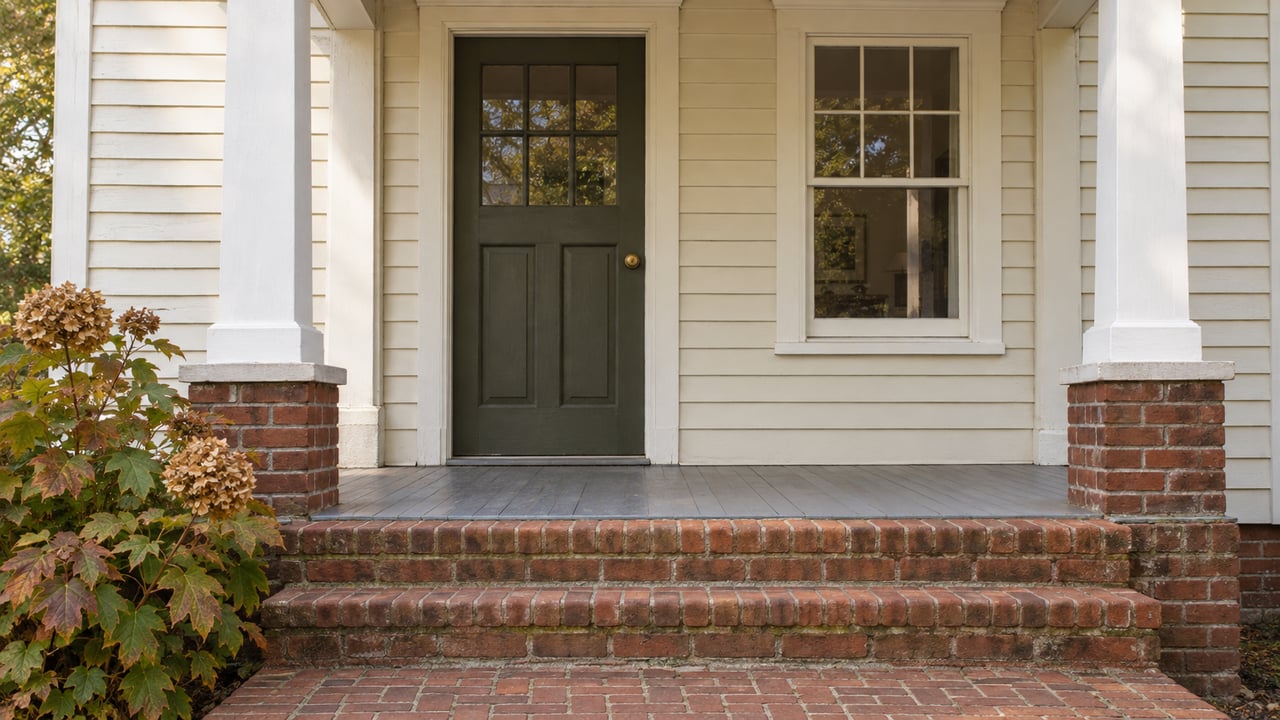
Detached beach cottages give you more privacy and control. You own the land, handle your own maintenance, and typically manage your own parking and outdoor space. Cottages can require more upkeep and may carry higher insurance and storm exposure based on location and elevation.
Your decision usually comes down to budget, how much maintenance you want, your parking needs, your plans for renting, and how you plan to finance the purchase.
Costs and ongoing expenses
Condos can offer a lower entry price per unit than detached cottages, especially when comparing smaller condos to single-family homes. Luxury oceanfront condos can equal or exceed cottage prices. Always review current local sales to understand the price range on your specific block.
HOA dues are a key factor for condos. Fees often cover exterior maintenance, landscaping, building insurance on the structure, reserves, trash service, and sometimes water or sewer. Beachfront buildings may have higher dues due to exposure and complex systems. Ask for the budget, reserve study, and recent HOA meeting minutes to see if dues are adequate and whether special assessments are likely.
Cottages shift most expenses to you. You handle the roof, siding, decks, pilings or foundation, landscaping, and storm repairs. Coastal materials and frequent upkeep can add up. Utilities are in your name, which keeps billing straightforward but may cost more overall depending on usage and home size.
Insurance and flood risk
Condo owners typically carry an HO-6 policy for the interior, personal property, and loss assessment coverage. The HOA maintains a master policy on the building, but coverage boundaries vary. Review the declaration and master policy to see where your responsibility begins.
Cottage owners carry a full homeowners policy that covers the structure, contents, and liability. Premiums are often higher near the ocean due to wind and flood risk. Insurers may apply separate wind or named-storm deductibles in coastal areas.
Flood insurance is a major factor for both property types in the North End. Many parcels fall within FEMA flood zones such as AE or VE. If you have a mortgage and the structure is in a mapped flood zone, lenders will require flood insurance. Premiums depend on the flood zone, elevation, and the home’s construction. Ask for an elevation certificate or consider ordering one so you can price coverage more accurately.
Parking and everyday convenience
Parking is tight near the beach. Condos typically offer assigned spaces or garage parking, which can be a big advantage during peak season. Always confirm how many spaces come with the unit, where they are located, and whether guest parking is available.
Cottages often include a driveway, carport, or garage. Lot sizes in the North End can be compact, so parking may be limited to what fits on the property. Guests may need to use street parking, and seasonal rules may apply. Check municipal guidelines and any neighborhood restrictions before you buy.
Short-term rental rules to know
Virginia Beach has rules for short-term rentals, including registration or permits, safety standards, and local tax collection. Policies have been updated in recent years, and enforcement can affect both condos and cottages. If you plan to rent, verify whether the property’s zoning allows short-term rentals and what steps you must complete to operate legally.
Condo associations often restrict or regulate rentals. Common rules include minimum lease lengths, rental caps, guest registration, and additional insurance requirements. Some buildings do not allow short-term rentals at all. Ask for the condo declaration, bylaws, rules and regulations, and resale certificate so you know what is permitted.
If you plan to run a cottage as a short-term rental, you may have more control, but you still need to meet city requirements, handle tax collection and remittance, and follow occupancy and parking standards. Violations can lead to fines or permit loss, so confirm the details before you rely on rental income.
Financing differences to expect
Condos can carry additional lender scrutiny. Many lenders require that the condo project meet specific guidelines related to reserves, occupancy rates, insurance, and financial health. If a building is not approved, your loan options may be limited or require a larger down payment.
Detached cottages are usually underwritten like standard single-family homes. You will find a broad range of loan products available, including programs for eligible VA borrowers. If you plan to buy as an investor or use the property for short-term rentals, expect different rate structures and cash reserve requirements.
Maintenance and durability at the beach
Salt air, wind, and sand can wear down materials faster along the coast. Condos often schedule exterior maintenance and manage large projects like roofs, siding, or elevators through the HOA. Owners share costs through dues and, when needed, special assessments.
Cottages put maintenance decisions in your hands. You will want to pay close attention to pilings or foundations, tie-downs, decks, railings, and exterior finishes. Corrosion-resistant hardware, treated lumber, and impact-resistant glass are common in coastal construction. Regular inspections and proactive upkeep can protect value and help lower risks during storm season.
Resale and your future buyer
Condos appeal to buyers seeking a lock-and-leave lifestyle with limited exterior work. These include downsizers, second-home buyers, and some investors where rentals are allowed. Inventory within a building can create competition, and HOA financial health can influence both value and financing options for future buyers.
Cottages often attract buyers who want privacy, outdoor space, and control over improvements. Land scarcity near the beach supports demand for single-family homes, though values can be more volatile after major storms. Seasonal patterns matter, and many sellers find the strongest interest in spring and summer when the beach is at its best.
Lifestyle scenarios to guide your choice
- The lock-and-leave owner: You live part-time in the North End or travel often. You want assigned parking, a smaller footprint, and a building that handles exterior upkeep. A condo may fit your goals.
- The hands-on host: You plan to personalize your property, manage outdoor space, and possibly pursue short-term rentals if allowed. You are comfortable coordinating maintenance and compliance. A cottage could be the better match.
Due diligence checklists
Use these checklists to compare properties side by side and avoid surprises.
For condos
- Request the full condo resale package: declaration, bylaws, rules, recent minutes, current budget, and reserve study.
- Review the master insurance policy, HOA deductible, and loss assessment coverage needs.
- Ask about special assessments over the past 5 to 10 years and any planned capital projects.
- Confirm what dues cover, including utilities and reserves.
- Verify parking allocation, storage, and pet policies.
- Check rental rules and whether short-term rentals are allowed.
- Review project approval status for common loan programs.
For detached cottages
- Order a comprehensive home inspection with attention to pilings or foundation, roof, siding, decks, HVAC, plumbing, and electrical systems.
- Obtain or order an elevation certificate and confirm the flood zone to estimate flood insurance.
- Ask about prior storm damage, insurance claims, and permitted renovations.
- Verify on-site parking, guest options, and any street parking rules.
- Confirm local zoning and any neighborhood regulations that could affect use.
For both property types
- Review real estate tax assessments and recent tax bills.
- Complete a title search for easements and encroachments; get a survey if property lines are unclear.
- If you plan short-term rentals, confirm city registration steps and tax obligations, plus platform collection policies.
- Consult a local insurance agent for wind and flood coverage estimates and deductibles.
- Work with a lender experienced in coastal and condo lending when applicable.
How to choose with confidence
Start with your budget and lifestyle. Decide how much maintenance you want to handle, how important on-site parking is, and whether rental income is part of your plan. From there, compare real properties in the North End to see which homes fit your needs.
Before you write an offer, line up your team. Speak with a lender about loan options for condos or cottages, request insurance estimates that include wind and flood, and review all HOA or zoning rules in detail. The right preparation will save time and help you avoid costly surprises.
If you want a clear, side-by-side comparison of available North End condos and cottages that match your goals, reach out to the local team that knows this coastline. Our boutique approach pairs hands-on guidance with full-service support so you can move forward with clarity and peace of mind. Connect with Conner and Company Real Estate to get started.
FAQs
Which is cheaper to maintain in the North End?
- Condos typically have lower direct maintenance but charge HOA dues that can be substantial, while cottages require more hands-on upkeep and full responsibility for exterior systems.
Do I need flood insurance near the beach?
- If your property is in a FEMA-mapped flood zone and you have a mortgage, flood insurance is usually required, and it is wise to consider coverage even outside mapped zones due to coastal risk.
Can I operate a short-term rental in a North End condo?
- Many condo associations restrict or ban short-term rentals, so you must confirm HOA rules and city requirements before relying on rental income.
How does parking differ between condos and cottages?
- Condos often provide assigned or garage parking, while cottages rely on driveways or on-property spaces with guests sometimes using street parking subject to local rules.
Are financing rules different for condos versus cottages?
- Yes, condos can require project approval and have stricter lender reviews, while cottages generally qualify for a wider range of standard single-family loan products.
When is the best time to sell a North End beach property?
- Spring and summer often bring stronger buyer activity for beach properties, but market timing varies by unit type, condition, and current local trends.