Wondering where Suffolk is really growing and what that means for your next move? If you are buying in Suffolk, it helps to know that this city does not live like one compact suburb. Its size, road network, and planning approach shape daily life in very practical ways. In this guide, you will get a clearer view of Suffolk’s growing corridors, how they affect commuting and convenience, and how to think about location with confidence. Let’s dive in.
Why Suffolk Feels Different
Suffolk is the largest city in Virginia, and that scale matters when you start home shopping. The city spans 430 square miles according to Suffolk, while Census QuickFacts lists 399.16 square miles of land area. Census estimates place the population at 103,105 in 2024.
Because Suffolk is so spread out, your day-to-day experience can vary a lot depending on where you live. Instead of one uniform housing market, Suffolk functions more like a network of connected corridors, villages, and activity centers. That is also consistent with the city’s long-range planning, which directs growth to designated areas while supporting older neighborhoods and rural villages.
For you as a buyer, that means location decisions should go beyond price or square footage. You will want to think carefully about commute routes, nearby services, and the kind of setting that fits your routine.
Where Suffolk Growth Is Concentrated
Several parts of Suffolk stand out as key growth corridors. These are the places where road improvements, newer development, and city planning efforts often come together.
Northern Suffolk and Harbour View
Northern Suffolk is one of the clearest examples of recent and continuing growth. The Riverfront at Harbour View is a master-planned community in Northern Suffolk with access to I-664, and the city notes that it fronts two scenic miles of the Nansemond and James Rivers.
This area continues to benefit from transportation investment. Current Route 17 widening work reaches Harbour View Boulevard, which reinforces Northern Suffolk and Harbour View as an active growth node. For buyers, that often translates into access advantages and a pattern of newer residential development.
Route 58 and Holland Road
Route 58 and Holland Road are another major part of Suffolk’s growth story. The city describes a 3.1-mile widening project that adds lanes in both directions, turn lanes, a raised median, and a multi-use path and sidewalk.
Projects like this matter because they shape how easily you can move through the city for work, errands, and daily appointments. If you are comparing homes in this area, transportation upgrades may be an important part of the location value.
Godwin Boulevard and Pruden Boulevard
Godwin Boulevard is being widened from four lanes to six, with pedestrian improvements included in the project. Pruden Boulevard, also known as US 460, is planned to widen from a four-lane undivided road to a six-lane divided section.
These updates point to areas where the city is preparing for continued movement and growth. If your daily routine depends on regional travel or regular cross-city driving, these corridors deserve a close look.
Route 17 and the North Suffolk Connector
Route 17 and the North Suffolk Connector are especially important if you want to understand how northern Suffolk connects with the rest of the city. The North Suffolk Connector Study is intended to improve traffic flow between northern Suffolk and the downtown core.
That is helpful context if you are choosing between a home in Northern Suffolk and one closer to downtown. Small differences in route access can have a big effect on how your week feels.
What Corridor Living Means Day to Day
In Suffolk, convenience is often tied to roadway access and corridor geography rather than one single central district. That can be a positive if you want options, but it also means you should picture your real schedule before choosing an area.
Census QuickFacts reports a mean travel time to work of 30.2 minutes. That number gives you a useful baseline, but your actual commute may feel very different depending on which corridor you use and how often you travel beyond Suffolk.
For some buyers, Northern Suffolk may feel like the best fit because of highway access and newer development patterns. For others, a location closer to downtown or one of the older village areas may make more sense because of local services, established streets, or a stronger connection to older parts of the city.
Downtown and Older Areas Still Matter
Growth in Suffolk does not mean older places are being left behind. The city’s Volume 2 initiative supports the protection and continued revitalization of older neighborhoods and rural villages, including downtown and places such as Chuckatuck, Holland, and Whaleyville.
That matters if you are drawn to areas with more established character. Suffolk’s planning documents support both newer growth areas and the continued care of older neighborhoods and village centers.
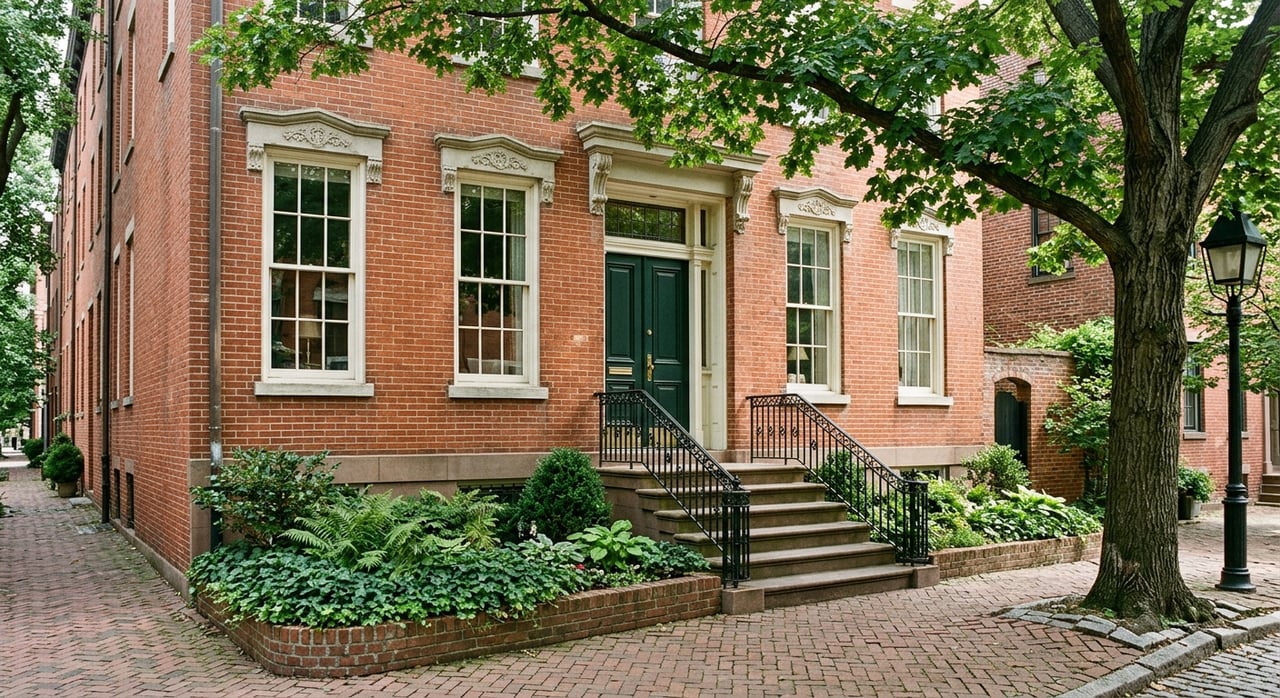
Downtown remains an important part of daily life in Suffolk. The city describes it as a place with quaint shops and family restaurants, which gives buyers another option beyond newer corridor development.
Comparing Newer Corridors and Older Areas
If you are early in the process, one of the most useful ways to narrow your search is to compare Suffolk’s two broad location patterns.
| Location pattern | What it may offer |
|---|---|
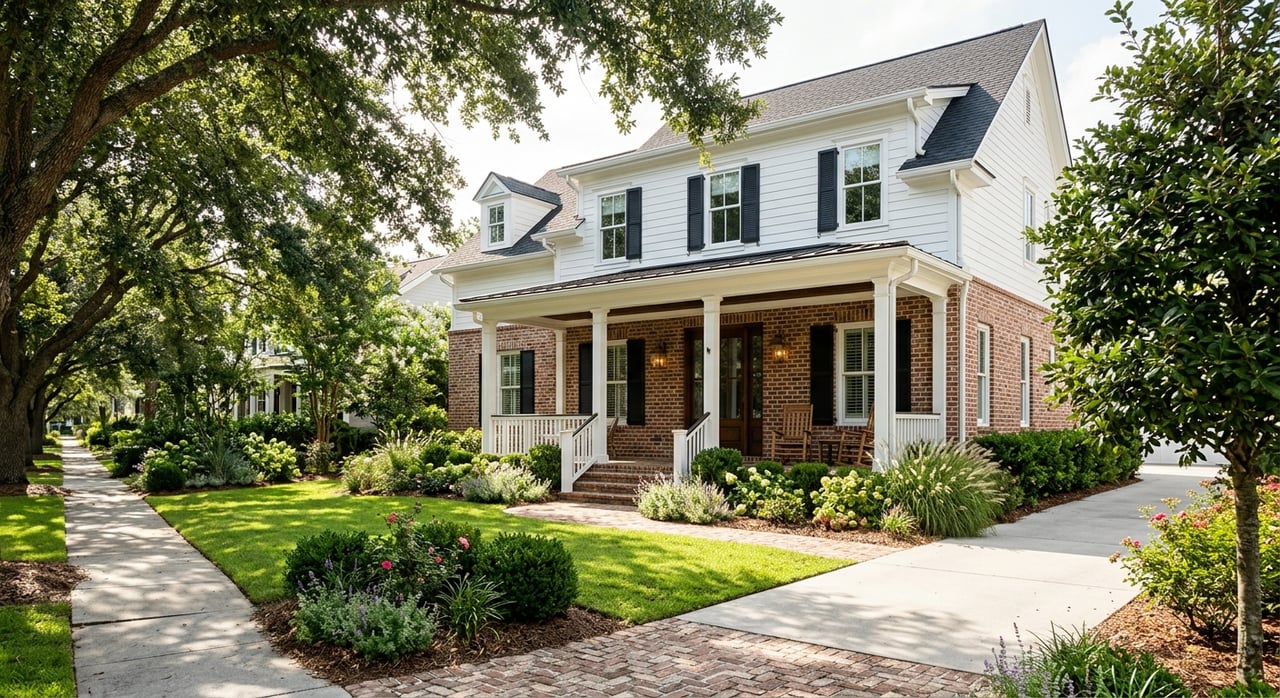
| Newer growth corridors | More recent housing stock, access to major road improvements, and easier highway connections |
| Downtown and older village areas | More established character, older streets, local services, and a stronger sense of place |
Neither option is automatically better. The right choice depends on how you live, where you work, and what kind of setting feels comfortable to you.
Commutes and Transit in Suffolk
Most buyers in Suffolk will pay close attention to road access, but transit may still matter to your planning. Suffolk Transit provides fixed-route service in Downtown and Northern Suffolk.
There is also a connection from Downtown to Hampton Roads Transit in Chesapeake Square before continuing to the North Suffolk Library. If you want a transit backup for certain trips, that service can be worth factoring into your search.
At the same time, major roadway projects on Route 58, Godwin Boulevard, Pruden Boulevard, Route 17, and the North Suffolk Connector continue to shape commuting patterns across the city. In a place as large as Suffolk, those transportation improvements are not just infrastructure news. They affect how connected your future home may feel.
Daily Convenience Across the City
When you picture daily life, think beyond the house itself. In Suffolk, everyday convenience often comes from a mix of corridor access and nearby public amenities.
Suffolk Public Library offers Wi-Fi, public computers, copy and print services, and online learning. The city also operates recreation centers in Bennett’s Creek, East Suffolk, and the Curtis R. Milteer, Sr. facility.
These kinds of services can make a real difference once you move in. They are also a reminder that the best location for you may be the one that supports your weekly routine most smoothly, not just the one that looks best on paper.
Parks Add to Suffolk’s Appeal
Suffolk’s outdoor amenities are a major part of its residential appeal. The city’s parks system includes more than 1,350 acres of parklands and trails, giving residents access to a wide range of recreational spaces.
Lone Star Lakes Park covers 1,063 acres and offers fishing, boating access, trails, a horse trail, an archery range, and a model airplane field. Bennett’s Creek Park includes 56.8 acres with boat ramps, disc golf, a skate park, a nature trail, and a fishing and crabbing pier.
Sleepy Hole Park adds another 73.6 acres with trails, river views, a kayak launch, and fishing access. For many buyers, this park network helps balance Suffolk’s spread-out layout by adding easy opportunities for outdoor time close to home.
How to Choose the Right Suffolk Corridor
If you are deciding where to focus your search, start with your routine. Think about where you need to go most often, how much roadway access matters, and whether you prefer newer development or an older setting.
A simple checklist can help:
- Map your most common commute
- Compare access to Route 17, Route 58, Godwin Boulevard, or US 460 if those roads affect your week
- Decide whether newer housing stock or established character matters more to you
- Note whether proximity to downtown services, library access, recreation centers, or parks would improve daily life
- Consider whether transit backup in Downtown or Northern Suffolk would be useful
This kind of planning can keep you from treating Suffolk like one single market. In reality, the corridor you choose may shape your experience as much as the home itself.
Why Local Guidance Matters in Suffolk
Suffolk rewards buyers who understand how the city is laid out. Two homes may both be in Suffolk, but they can offer very different experiences in terms of travel patterns, setting, and nearby amenities.
That is why a neighborhood-level approach matters. When you have local guidance, it becomes easier to compare Suffolk’s growing corridors, older village areas, and downtown options in a way that matches your goals.
If you are planning a move in Suffolk or anywhere in Hampton Roads, Conner and Company Real Estate can help you narrow your search with clear, personal guidance and full-service support from start to finish.
FAQs
What does living in Suffolk’s growing corridors mean for homebuyers?
- It usually means comparing areas shaped by newer development, major road improvements, and corridor-based convenience rather than treating Suffolk as one uniform market.
Which parts of Suffolk are seeing notable growth?
- Northern Suffolk and Harbour View are key examples, along with major corridors such as Route 58 and Holland Road, Godwin Boulevard, Pruden Boulevard or US 460, and Route 17 or Bridge Road.
How does Suffolk’s size affect daily life?
- Because Suffolk is the largest city in Virginia by area, commute routes, errand patterns, and access to services can vary widely depending on where you live.
Is downtown Suffolk still important if growth is happening elsewhere?
- Yes. Downtown remains a meaningful part of the city with shops, family restaurants, and local services, and the city also supports revitalization in older neighborhoods and village areas.
What are the benefits of Northern Suffolk for buyers?
- Northern Suffolk may appeal to buyers who want newer development patterns and easier access to I-664 and other major travel routes.
What public amenities should buyers consider in Suffolk?
- Buyers may want to look at access to Suffolk Transit, Suffolk Public Library services, recreation centers, and the city’s extensive parks and trails system when comparing locations.