Wondering whether a brand-new home or a historic property makes more sense in Suffolk? You are not alone. Suffolk gives you a rare mix of newer planned communities and long-established historic areas, so the right choice often comes down to how you want to live, maintain your home, and plan for future costs. This guide will help you compare both paths with Suffolk-specific facts so you can move forward with confidence. Let’s dive in.
Why This Choice Matters in Suffolk
Suffolk is not a one-note housing market. The city is the largest in Virginia by land area at 430 square miles, and the City of Suffolk demographic overview notes that planning and growth are tied to infrastructure, municipal services, and development review.
That matters because your buying decision is not just about age or style. In Suffolk, new construction and older homes can come with different ownership experiences, including permitting, historic review, wetlands considerations, and Chesapeake Bay Preservation Act review. If you are comparing homes here, local context matters.
The city also continues to grow. The U.S. Census Bureau’s 2024 estimate places Suffolk’s population at 103,105, which helps explain why buyers can find everything from townhomes and condos to historic houses and larger single-family options.
What New Construction Offers
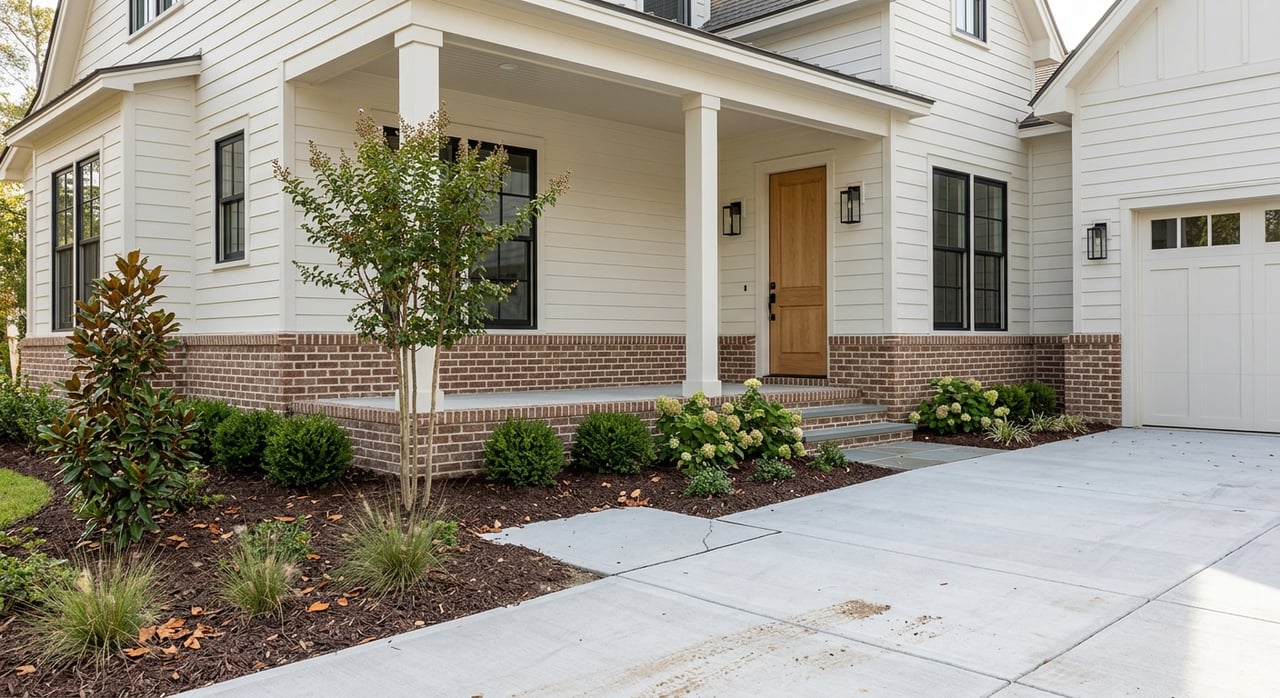
In Suffolk, new construction covers more than one type of buyer. Current offerings include townhomes, one-level villas, single-story condominiums, and planned-community homes, which means you may be able to match your home type more closely to your lifestyle and maintenance preferences.
For example, Reids Place offers 3-bedroom townhomes from $269,990+, while Edgewater starts at $449,900 and highlights open green space and a playground. Other options include 55+ villas and low-maintenance condominium communities, showing how broad the new-build market is in Suffolk.
A big reason buyers choose new construction is predictability. Builder marketing in Suffolk often emphasizes open floor plans, one-level living, reduced yard work, and community amenities like walking paths, green space, pools, clubhouses, or playgrounds.
That can make day-to-day ownership feel simpler, especially if you want modern systems and fewer near-term projects. If your priority is convenience, efficient layouts, and a more standardized buying process, new construction can be a strong fit.
New Homes Near Historic Areas
In Suffolk, new versus old does not always mean one side of the city versus another. Some newer communities are marketed as being just minutes from historic downtown Suffolk, including Hallstead Reserve.
That gives you an important middle ground. You may be able to enjoy a newer home design while still staying close to established parts of the city, rather than choosing between two completely separate lifestyles.
What Historic and Older Homes Offer
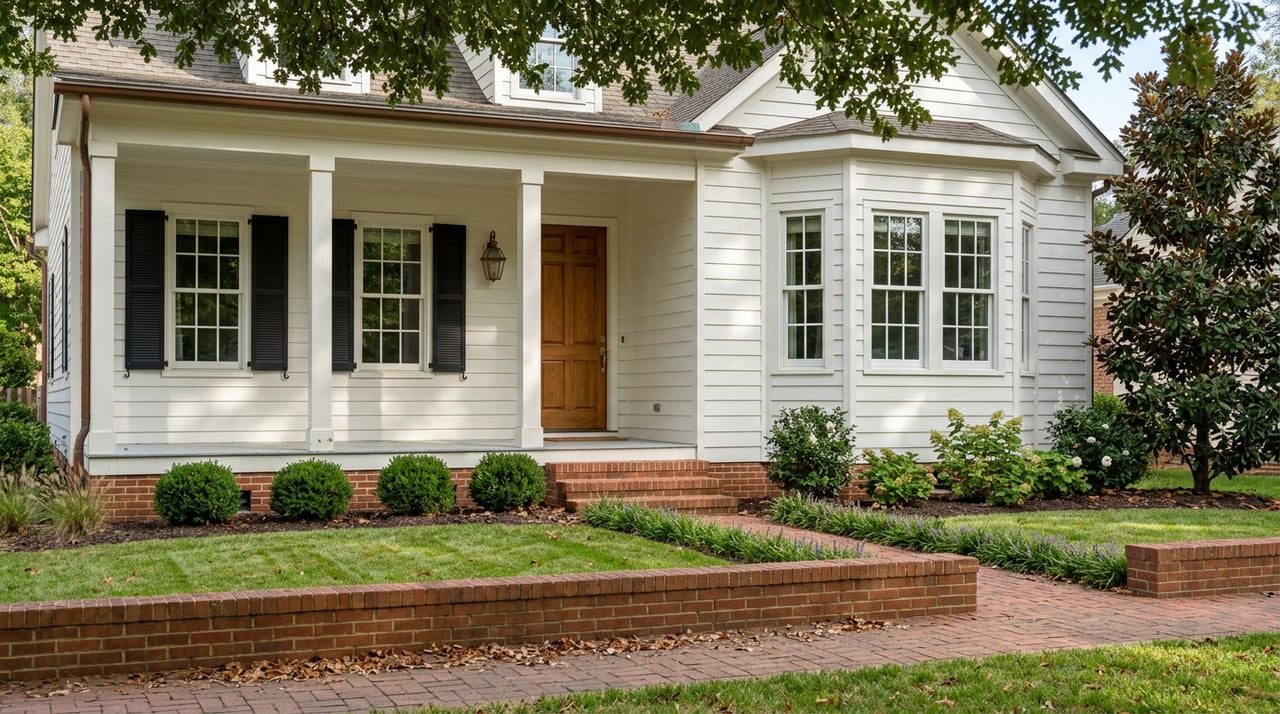
If character matters to you, Suffolk has real depth. The Virginia Department of Historic Resources says the Suffolk Historic District includes more than 200 late-19th- and early-20th-century houses, and the city also includes historic districts such as Chuckatuck, Driver, Holland, and West End.
These areas are known for traditional architectural forms and established streetscapes. DHR descriptions reference styles such as Federal, Queen Anne, Colonial Revival, Folk Victorian, and other vernacular Tidewater-influenced buildings.
For many buyers, that translates into something hard to replicate in new construction. You may find mature landscaping, consistent setbacks, sidewalks, and a more established street pattern that gives certain older areas a distinct sense of place.
Streetscape and Character
Historic and older districts in Suffolk often feel more settled than newer developments. The West End district description notes sidewalks, uniform building setbacks, lot sizes, and a grid-pattern street plan, while Chuckatuck is described as having mature landscaping and similar setbacks.
That does not mean every older property looks the same or every parcel is small. It does mean many established areas offer a more consistent streetscape, which can appeal to buyers who value neighborhood character and architectural detail.
The Biggest Tradeoff: Maintenance and Rules
The most important difference between new construction and historic homes is often not appearance. It is what ownership requires from you over time.
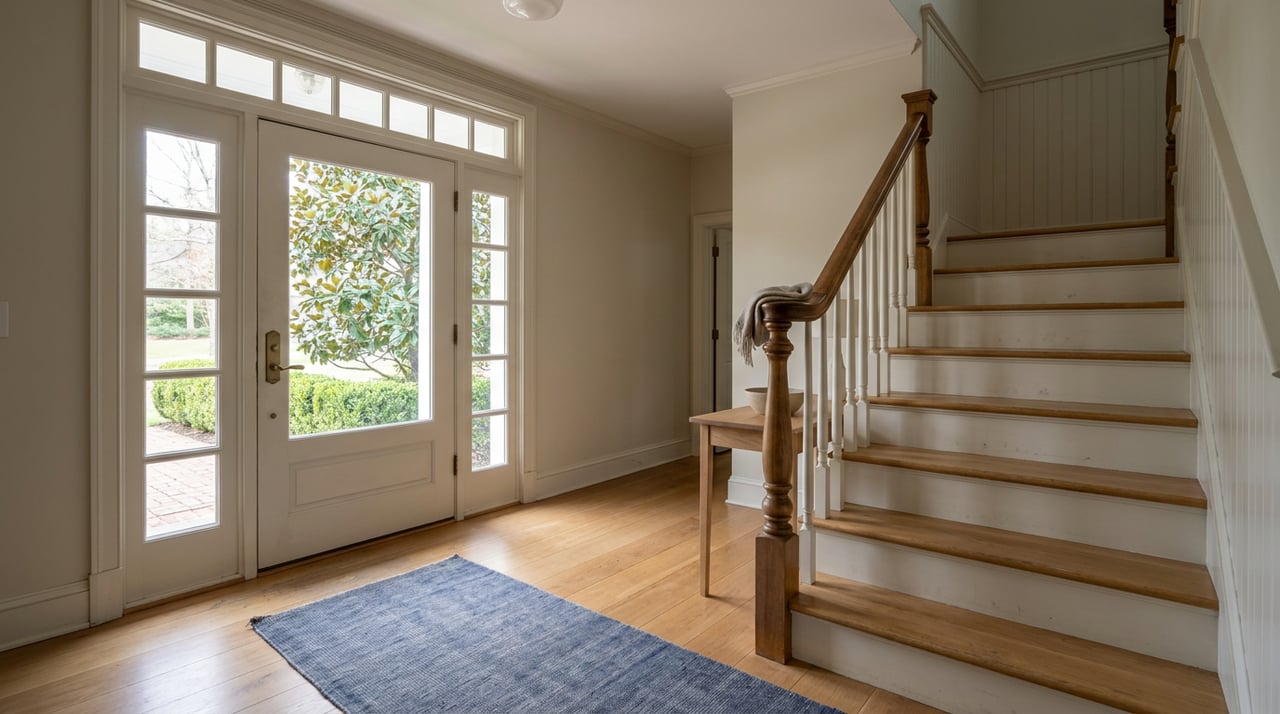
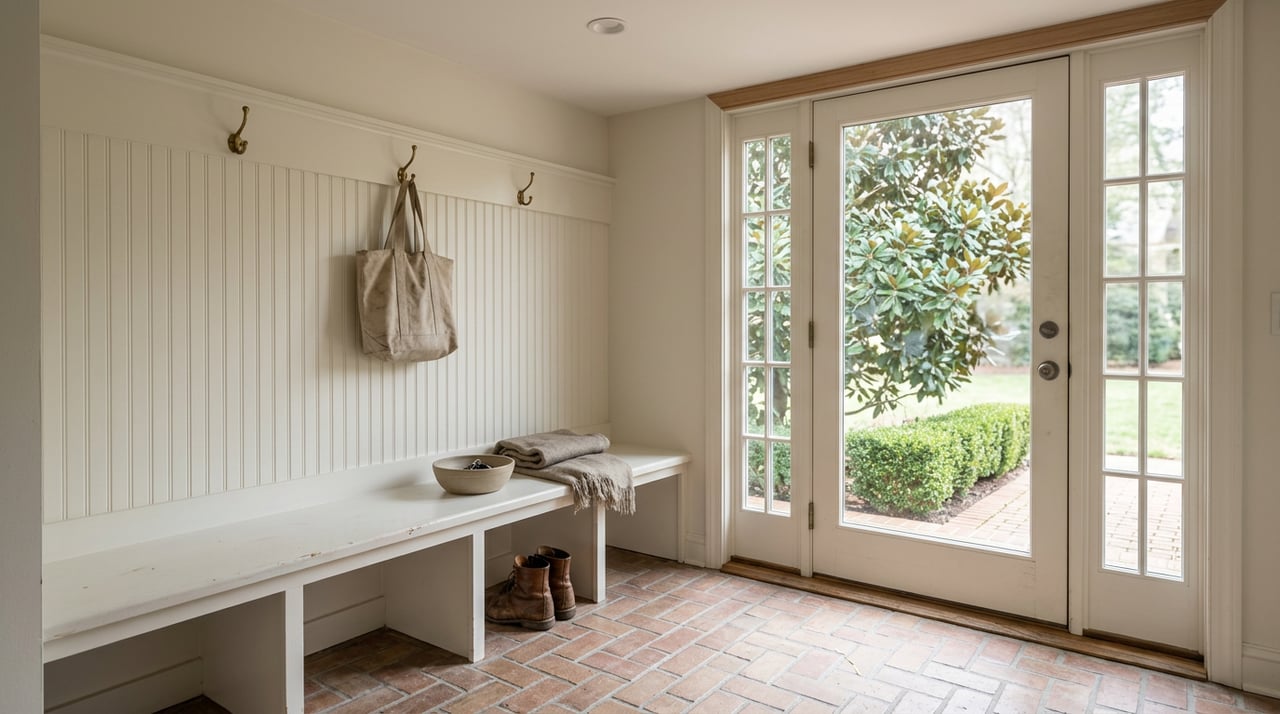
With new construction, you are usually buying modern systems and materials, which can reduce maintenance pressure in the early years. With an older or historic home, you may gain charm and individuality, but you should also expect more attention to upkeep, repairs, and documentation.
The National Park Service guidance on preservation emphasizes ongoing maintenance and repair rather than replacement for historic properties. In practical terms, that means you should look closely at the roof, windows, HVAC, insulation, plumbing, electrical systems, drainage, and foundation condition when evaluating an older Suffolk home.
Historic Overlay Rules
If a home is inside Suffolk’s local historic overlay district, exterior changes may be subject to special rules. The City of Suffolk Historic Overlay District page explains that exterior changes are governed by specific guidelines, and some buildings in the district are considered non-contributing rather than historic.
Before you buy, it is smart to confirm:
- Whether the property is in a local historic overlay district
- Whether it is contributing or non-contributing
- Whether a Certificate of Appropriateness may be needed for exterior work
- Whether there are records of prior approvals or permitted changes
Those details can shape both your renovation plans and your long-term ownership costs.
Costs to Compare Beyond the Price Tag
The purchase price is only part of the decision. In Suffolk, long-term value is easier to judge when you compare the full carrying cost of each option.
According to the City of Suffolk real estate tax page, the citywide real estate tax rate is $1.07 per $100 of assessed value through June 30, 2026, with higher rates in the Downtown Business District and Route 17 taxing district. Beyond taxes, you will also want to factor in HOA or condo dues, insurance, utilities, and a realistic maintenance reserve.
For many buyers, this is where the gap between new and older homes becomes clearer. A newer home may come with association dues or upgrade costs, while an older home may require more ongoing repair planning.
A Possible Tax Benefit for Older Homes
Some older properties may qualify for local tax relief if the rehabilitation is substantial enough. Suffolk’s Rehab Tax Abatement Program gives qualifying rehabilitated residential properties a partial real-estate-tax exemption for 10 years.
For residential projects, the building must generally be at least 25 years old, the rehabilitation must increase assessed value by at least 40%, and permit and application requirements must be met. If you are considering a major improvement project, this is worth reviewing early.
Questions to Ask Before You Commit
No matter which direction you lean, asking better questions can save you time and money.
Questions for New Construction in Suffolk
Ask the builder or seller:
- What is included in the base price?
- Which upgrades or lot premiums cost extra?
- What warranty coverage is included?
- What remains before final Certificate of Occupancy?
- Are grading, landscaping, or utility items still open?
- Is the lot in a flood-prone area, wetlands area, or Chesapeake Bay Preservation Area?
- Is the property connected to sewer, or does it involve septic?
The city’s Certificate of Occupancy checklist notes that final occupancy depends on completed permits, site-plan items, and any applicable historic or zoning approvals. Even with a brand-new home, the details matter.
Questions for Older or Historic Homes in Suffolk
Ask the listing agent or seller:
- Is the home in a historic overlay district?
- Is it contributing or non-contributing?
- Are there records of prior permitted exterior work?
- What is the age and service history of the roof and HVAC?
- Have plumbing and electrical systems been updated?
- Are the windows original, replaced, or restored?
- Is the property on sewer or septic?
- If septic is involved, what is the maintenance history?
- Is flood insurance required or advisable?
Suffolk also notes that development in the Chesapeake Bay Preservation Area may involve a Water Quality Impact Assessment, and the city operates a septic pump-out program for private systems in that area on a rolling five-year cycle. These are the kinds of local factors that can influence ownership costs and timelines.
Which Option Fits Your Lifestyle Best?
There is no universal winner between new construction and historic homes in Suffolk. The better fit usually depends on what you want your daily ownership experience to look like.
If you want lower-maintenance living, modern layouts, and amenities that may reduce yard work or simplify upkeep, new construction may feel like the easier path. If you value architectural character, established surroundings, and the experience of owning a home with more history, an older property may offer what a newer home cannot.
The key is to judge the home by more than age alone. In Suffolk, the smartest comparison is usually a mix of maintenance burden, neighborhood character, resale appeal, regulatory requirements, and total monthly and long-term cost.
Whether you are weighing a low-maintenance new build or a home with historic detail and long-term potential, working with a local team can help you ask the right questions before you move. If you are considering a move in Suffolk or anywhere in Hampton Roads, connect with Conner and Company Real Estate for thoughtful guidance tailored to your goals.
FAQs
Should you buy new construction in Suffolk if you want less maintenance?
- New construction in Suffolk may appeal to you if you want modern systems, open floor plans, and features such as reduced yard work or community amenities that can simplify day-to-day ownership.
What should you know before buying a historic home in Suffolk?
- Before buying a historic home in Suffolk, you should confirm whether it is in a local historic overlay district, whether it is contributing or non-contributing, and whether exterior work may require a Certificate of Appropriateness.
Do older homes in Suffolk have any tax advantages?
- Some older Suffolk homes may qualify for the city’s rehab tax-abatement program if the property meets age, value-increase, permit, and application requirements.
Are newer Suffolk communities only located far from downtown?
- No. Some newer Suffolk communities are marketed as being just minutes from historic downtown, so the decision is often more about home style and ownership experience than distance alone.
What extra costs should you compare when choosing between new and older homes in Suffolk?
- You should compare real estate taxes, HOA or condo dues, insurance, utilities, flood-related costs, and likely maintenance reserves, not just the purchase price.