Craving sunrise walks on a quieter stretch of Virginia Beach but torn between a weekend retreat and a full-time address? If the North End already has your heart, choosing how you will use your home is the real question. In this guide, you will compare lifestyle, financing, taxes, insurance, parking, and rental rules so you can buy with confidence. Let’s dive in.
What and where is the North End
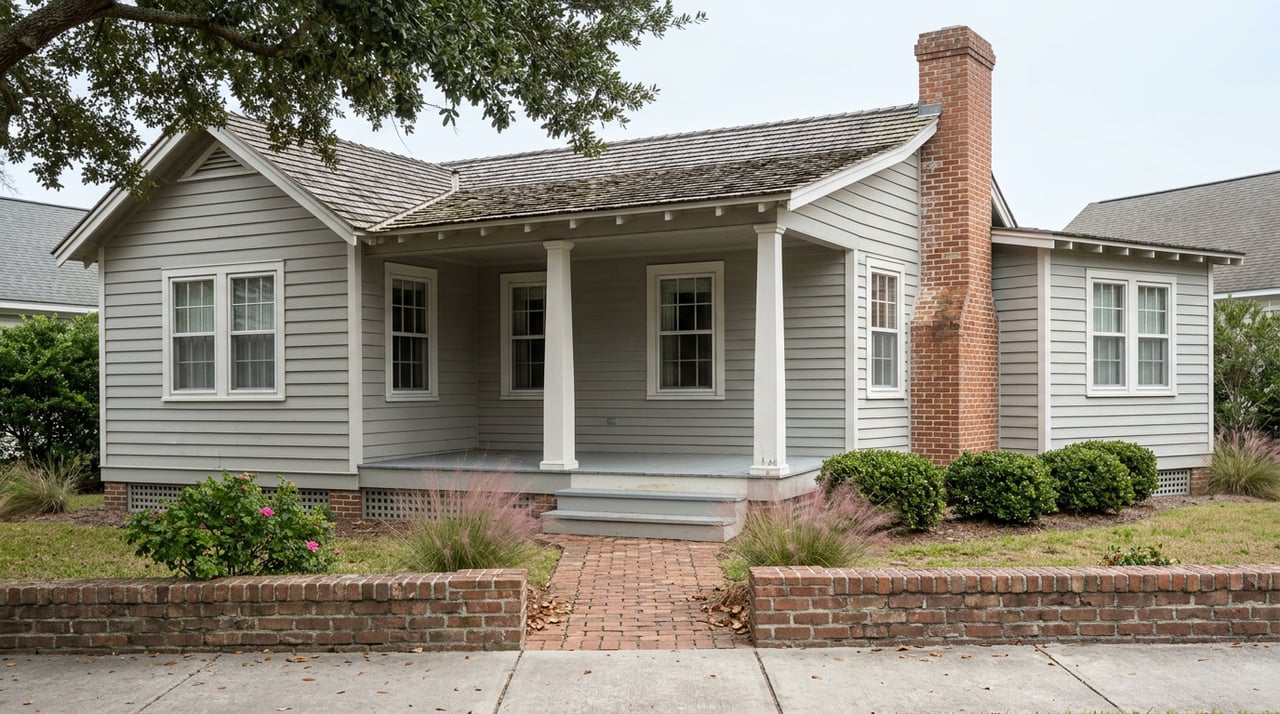
The North End sits north of the main resort strip and borders First Landing State Park. It blends oceanfront condos, classic beach cottages, and high-end rebuilds, with limited townhomes and some bayside properties with docks. This location gives you quick boardwalk access along a more residential shoreline.
Recent local neighborhood analyses place the North End median price in the high six figures to mid seven figures. One Q3 2025 snapshot reported a median near $1.1 million, with premiums for direct oceanfront lots and new construction. Since different sources define boundaries differently, check current MLS comps when you get serious about a specific street or building. You can review a neighborhood profile to get oriented to typical stock and trends in the area reported as North End by local analysts in Virginia Beach here.
Lifestyle fit: second home or full-time
Seasonality and crowds
Virginia Beach’s resort area runs on a seasonal rhythm. Late spring through summer brings concerts, festivals, and weekend crowds near the stages and the main boardwalk. That energy is a plus if you love an active scene, but it also adds noise and traffic. If you want more quiet, look a few blocks off Atlantic or Pacific avenues or closer to First Landing. For a quick look at the boardwalk’s layout and seasonal draw, explore the city’s overview of boardwalk landmarks and access points here.
Beach access and safety
The oceanfront features a 3-mile promenade with multiple access points. Seasonal lifeguard coverage typically concentrates in the busier resort zones from May through September. If you swim year-round or have young kids visiting, note how close your property is to staffed areas during peak months. You can preview the boardwalk’s access highlights in the city’s visitor resources here.
Getting around and daily needs
You will likely walk to the sand and bike the boardwalk, but many errands are still a short drive. Full grocery shops, medical specialists, and larger retail are easier along the Laskin corridor and beyond. If you plan full-time living with school-age children, check current school assignments and bus routes before you buy, since those boundaries can change.
Parking reality at the oceanfront
The resort area mixes on-street metered parking with municipal lots and garages, with seasonal enforcement during peak months. If you expect frequent guests or plan to apply for a short-term rental permit, on-site parking becomes a make-or-break detail. Virginia Beach’s short-term rental rules also require a documented parking plan and specify off-street minimums, often tied to bedroom count. Review the city’s current short-term rental permit requirements, including parking, inspections, and insurance, on the Planning Department’s page.
Rules and costs that change by use
Financing differences by occupancy
Lenders price and underwrite differently for primary residences, second homes, and investments. Conventional second-home loans can allow higher loan-to-value ratios than investment properties, while investment loans typically require larger down payments and higher cash reserves. These distinctions affect your rate, reserves, and overall carrying costs. For current guidance, see how agency rules distinguish second homes from investments in Freddie Mac’s resources here.
Bottom line: if you intend to rent frequently or treat the property as an investment, expect stricter underwriting and more cash required up front than if you will occupy the home as a true second residence.
Taxes and the capital gains difference
Virginia Beach’s recent budget materials cite a real estate tax rate of $0.97 per $100 of assessed value. That rate, applied to the city’s assessment, drives your annual property tax regardless of primary or second-home status. You can review key takeaways from the City Real Estate Assessor’s recent report here.
At the federal level, your use affects potential capital gains treatment at sale. The primary residence exclusion under Section 121 can let qualifying owners exclude up to $250,000 in gains if single or $500,000 if married filing jointly. You must generally own and use the home as your main home for two of the five years before the sale. Vacation homes and properties used mostly as rentals usually do not qualify unless you later convert the home and meet the tests. To understand the ownership and use tests, review IRS Publication 523 here. The IRS also distinguishes personal use from rental days for vacation homes, which affects how you report income and expenses.
Short-term rentals and local enforcement
Using a North End property for weekly or nightly rentals requires compliance with Virginia Beach’s program. You will need a zoning permit, life-safety and structural documentation, liability insurance, and an approved parking plan. Some addresses have different rules due to overlay districts or grandfathered status. The city has strengthened enforcement in recent years, so plan for both the initial permit costs and ongoing compliance. Start with the city’s permit overview and requirements here.
Flood, wind, and long-term resilience
Flood risk is a material consideration near the ocean and bay. The City administers NFIP mapping and advises buyers to review the property’s FEMA flood zone and obtain an elevation certificate when applicable. You can learn how to check maps and manage risk on the City’s floodplain page here.
Regionally, planners recommend assuming roughly 1.5 feet of relative sea level rise by 2050 and encourage resilient design choices. This can influence your long-term budgeting for mitigation, such as elevating utilities or improving drainage. See the Hampton Roads Planning District Commission’s policy guidance here.
Flood insurance costs vary widely by zone and elevation. Consumer summaries show Virginia averages in the hundreds to low thousands per year, but premiums are highly property specific. Consider obtaining NFIP and private-market quotes during due diligence. For a high-level look at factors that drive premiums in Virginia, review this overview here.
Ownership styles: condo vs single-family
Oceanfront condos centralize many tasks into a monthly association fee. Dues often cover common area maintenance, building insurance on a master policy, elevators and shared systems, and sometimes flood coverage on common elements. This can simplify life if you do not want hands-on upkeep, but it raises your monthly fixed costs. Rules within each building will also dictate rental allowances, pet policies, and renovation standards.
Bayside or inland single-family homes transfer more control and responsibility to you. You will budget directly for roof and exterior care, dune or bulkhead work if applicable, and hurricane deductibles. Many renovated or newly rebuilt homes in the area elevate living spaces and utilities to address flood risk, which you will want to review in the inspection phase.
Maintenance and management to plan for
- Flood insurance where required, plus wind or hurricane deductibles on your homeowner policy.
- HVAC servicing after seasonal use.
- Exterior upkeep in the marine environment, including deck and railing maintenance and periodic pressure washing.
- For condos, contributions to reserves and the potential for special assessments as buildings age.
- If you plan to rent, full-service property managers commonly charge roughly 10 to 40 percent of gross rental revenue depending on services, plus cleaning and onboarding fees. This range comes from industry disclosures and franchise documents, and it should be part of your pro forma before you buy. You can see a representative fee range in this franchise disclosure example here.
Side-by-side comparison
| Factor | Primary Residence | Second Home |
|---|---|---|
| Lifestyle | Year-round routines and services matter most. Choose blocks that balance quiet with access. | Seasonal energy is a plus. Proximity to the boardwalk and events can be a feature. |
| Financing | Often the most favorable underwriting and down payment options. | Second-home loans allow higher LTV than investments but expect tighter rules than primary. |
| Taxes | Potential eligibility for the federal primary residence gain exclusion if you meet the 2-of-5-years test. | No primary gain exclusion unless you later convert and meet the tests. Rental use triggers separate IRS rules. |
| Rentals | Long-term leases governed by local rules. STR use requires permits and may conflict with building rules. | Occasional personal use is fine, but frequent STR use requires permits, parking, and compliance. |
| Parking & Guests | Prioritize a garage or off-street capacity for daily life. | Verify on-site spaces before you commit, especially if you anticipate guest turnover. |
| Insurance & Risk | Flood zone, elevation, and wind deductibles drive costs. Plan for resilience upgrades over time. | Same risk factors. Some owners tolerate higher premiums because usage is part-time. |
| Maintenance | Ongoing, routine care spread across the year. | Seasonal prep and post-season care are essential if the home sits vacant part of the year. |
Quick decision checklist
- How often will you live there each year? More than six months usually points to a primary residence, while part-time use fits a second home. IRS tests for capital gains and rental reporting depend on your use patterns.
- What is your all-in monthly budget? Include mortgage, city property tax at the current rate, flood and homeowner insurance, HOA dues if applicable, utilities, routine maintenance, and any management fees.
- How do you feel about summer crowds and events? If you want activity, choose closer to the boardwalk. If you want quiet, move a few streets inland or toward First Landing.
- Do you have the right parking for daily life or guests? If you hope to run an STR, the city requires a parking plan and minimum off-street spaces.
- What is the property’s flood zone and elevation? Ask for an elevation certificate and review city floodplain guidance before you finalize your offer.
- Will you seek rental income? Confirm whether the building or parcel allows weekly or nightly rentals, then factor in permits, inspections, insurance, and manager fees.
Next steps for North End buyers
- Align on use. Decide primary residence versus second home so your lender, tax planning, and search criteria match your goals.
- Get preapproved with the correct occupancy type. Lender rules and reserves differ for second homes and investments. See Freddie Mac’s distinctions to frame your questions for your lender.
- Narrow location and building type. Balance proximity to the boardwalk with the level of quiet you want, and decide between condo convenience and single-family control.
- Verify flood risk early. Pull FEMA map info and request an elevation certificate. Use the City’s guidance to understand floodplain management and mitigation options.
- Confirm STR feasibility if relevant. Review the city’s permit requirements, parking standards, and any overlay or building restrictions.
- Tour at different times. Visit on a sunny Saturday in July and a quiet weekday in October. Seasonality is real at the oceanfront.
- Build a realistic budget. Include property tax at the current city rate, insurance quotes, HOA dues, and maintenance. If renting, add management and cleaning fees plus vacancy.
- Partner with a local team. A North End purchase is all about details. You want professional guidance on comps, building rules, flood considerations, and negotiation.
Ready to explore North End homes and map the right path for your lifestyle? Reach out to the local team you can trust at Conner and Company Real Estate for tailored guidance, market insight, and a smooth, full-service experience from search to closing.
FAQs
What defines the North End in Virginia Beach?
- It is the residential oceanfront area north of the main resort strip and near First Landing State Park, with a mix of oceanfront condos, beach cottages, and luxury rebuilds. See a neighborhood profile overview here.
How do mortgage rules differ for second homes versus investments?
- Conventional loans treat second homes and investments differently. Second-home loans can allow higher LTV than investment loans, which typically require larger down payments and cash reserves. Review distinctions in Freddie Mac’s guidance here.
Are short-term rentals allowed in the North End of Virginia Beach?
- Short-term rentals require a city permit, inspections, liability insurance, and a parking plan, and some buildings or areas have special rules or overlays. Start with the city’s STR overview here.
What is the Virginia Beach property tax rate for North End homes?
- The City has cited a real estate tax rate of $0.97 per $100 of assessed value in recent materials. See the City Assessor’s highlights here.
Do I need flood insurance for a North End property?
- It depends on the FEMA flood zone and your lender’s requirements. The City advises checking flood maps and obtaining an elevation certificate where applicable. Learn more about local floodplain guidance here, and see a Virginia-focused premium overview here.
How crowded is the boardwalk area in summer, and where are lifeguards?
- Summer brings concert and event crowds in the resort zone, with seasonal lifeguard coverage typically May through September in busier areas. Get a boardwalk and access overview here.