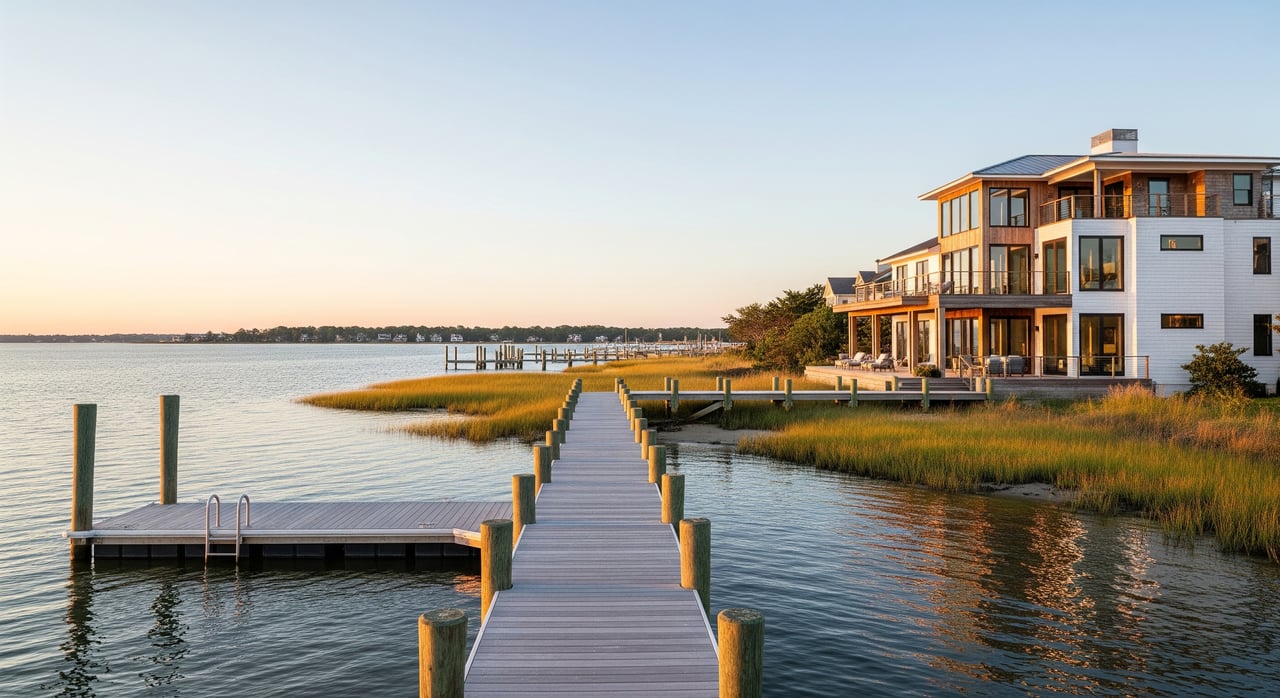
If you are eyeing a Little Neck home on the Lynnhaven River, you are likely running into jumbo financing. Waterfront prices, pier and bulkhead improvements, or a purchase plus renovation plan can push your loan above standard limits. That shift changes how you qualify and how your offer stacks up. In this guide, you will learn when a loan becomes jumbo, what lenders look for, how rates behave, and what steps help you win. Let’s dive in.
When a Little Neck loan becomes jumbo
A loan becomes “jumbo” when the amount you borrow is higher than the local conforming loan limit set each year by the Federal Housing Finance Agency. Loans above that limit are non‑conforming, which means lenders use jumbo or portfolio guidelines rather than Fannie Mae or Freddie Mac rules. Virginia Beach is not typically designated as a high‑cost area, and many Little Neck waterfront homes sit above the baseline limit.
You should confirm two things early. First, ask your lender for the current conforming limit and confirm whether your target loan amount is jumbo. Second, review how your purchase structure affects the total. Tear‑down or rebuild plans, a purchase plus construction package, or lot premiums for deep water access and views can all push financing into jumbo territory.
How jumbo underwriting is different
Jumbo loans are non‑agency, so each lender sets its own overlays. Underwriting is usually more conservative than standard conforming loans. Expect closer review of your income, assets, credit, property condition, and insurability.
Typical borrower requirements
- Credit score: Many lenders look for 700 or higher, and 720 to 760 is often needed for the best pricing.
- Debt‑to‑income ratio: Tighter caps are common, often 43 to 50 percent depending on the lender and your overall profile.
- Reserves: Expect to document larger cash reserves, often 6 to 12 months of principal, interest, taxes, and insurance. Bigger loans or second homes can require more.
- Down payment and LTV: Maximum loan‑to‑value varies. A common pattern is up to 80 percent LTV for competitive pricing, with 10 to 20 percent down typical. Some programs allow higher LTV at higher cost.
- Asset documentation: Plan to provide full bank statements, brokerage and retirement statements, and a clear paper trail for large deposits.
- Income documentation: If you are salaried, lenders commonly verify with recent pay stubs and W‑2s. If you are self‑employed, expect two years of personal and business tax returns, plus profit and loss statements or 1099s.
- Verifications: Employment verification, tax transcripts, and asset verifications are routine.
Options for complex income
If your income is less traditional, ask about portfolio or non‑QM products. Some lenders offer bank‑statement programs for self‑employed buyers, or asset‑based and asset‑depletion underwriting for high‑net‑worth clients who rely on liquid assets rather than W‑2 income. These programs often carry different pricing and requirements, so compare carefully.
Waterfront property items lenders review
Little Neck waterfronts come with unique underwriting questions that you should address upfront.
- Appraisal expertise: Comparable sales for custom waterfront homes and buildable parcels can be scarce. Lenders may require an appraiser with waterfront experience or a second appraisal if comps are limited.
- Flood insurance: If the property falls within a FEMA Special Flood Hazard Area, flood coverage is required. Your lender may request an elevation certificate for the appraisal. Pricing flood insurance early helps you avoid surprises.
- Seawalls, bulkheads, and piers: Condition reports or inspections for structural waterfront elements are common. Lenders want to understand recent permits, repairs, shoreline erosion history, and whether the property uses septic or public sewer.
- Title and access: Riparian rights, encroachments, dock or pier permitting, and tidal access can require extra title endorsements or survey review.
- Use and occupancy: If you plan to use the home as a second home or short‑term rental, that can affect the loan product, reserve requirements, and pricing.
Jumbo rate dynamics and what affects your payment
Jumbo pricing is driven by lender funding costs, investor demand for non‑agency loans, and overall market rates. It does not track agency pricing directly. Sometimes jumbo rates are close to conforming rates, and sometimes the spread is larger. Market liquidity can widen or compress that spread quickly.
What you pay depends on several factors:
- Loan size and LTV: Larger balances and higher LTVs usually cost more.
- Credit and structure: Strong credit and larger down payments tend to improve pricing.
- Product type: Fixed‑rate loans and hybrid ARMs price differently. A hybrid ARM may offer a lower initial rate with a different risk profile.
- Occupancy and property type: Primary residences often price better than second homes or investment properties.
- Lender type: National banks, regional banks, mortgage banks, and portfolio banks price differently. Portfolio lenders may be more flexible for high‑net‑worth clients.
- Market movements: Rapid changes in Treasury yields or investor appetite can shift jumbo spreads in a short window.
On a large principal balance, a small rate change can shift your monthly payment by a meaningful amount. Ask lenders to model multiple scenarios with your exact loan amount, LTV, occupancy, and program so you can compare apples to apples.
Strengthen your offer on the Lynnhaven
Starting lender conversations early is the single best advantage you can give your offer. A jumbo‑capable lender can pre‑underwrite your file, flag documentation gaps, and map out the appraisal and flood insurance steps before you write.
Here are concrete steps to take:
- Get a jumbo‑capable pre‑approval or a pre‑underwriting letter that names the program, target loan amount, and shows that your assets and reserves were reviewed.
- Provide proof of funds with current bank and brokerage statements. Include two years of tax returns and explanations for any large deposits.
- Consider a stronger earnest money deposit and shorter contingency timelines only if your finances and lender’s timeline fully support it.
- Discuss appraisal strategy. In tight comp environments, talk with your lender and agent about language for an appraisal gap or a plan to cover a limited shortfall. Only proceed if you understand the risks.
- Order a pre‑offer market analysis. A broker price opinion or a professional market analysis can help the lender and appraiser understand local waterfront comps.
- Line up flood and insurance items. Request a flood zone determination and get preliminary flood insurance quotes early so the monthly payment and insurability are clear.
Your jumbo buyer checklist
Gather these documents before you shop so your lender can move fast:
- Government photo ID and contact information
- Two years of federal tax returns, personal and business if applicable
- Recent pay stubs, plus the last two years of W‑2s for salaried income
- Proof of other income, for example rental, alimony, or investment documents
- Two to three months of bank and investment statements, more for larger assets
- Retirement, stock, and brokerage statements to show reserves
- Explanations and documents for large deposits or asset transfers
- Gift letter and source documentation if any funds are gifted
- Divorce decree, bankruptcy discharge, business tax returns, and letters of explanation for any credit events if relevant
Confirm these property and transaction items quickly:
- Flood zone and estimated flood insurance cost
- Recent comparable sales for your specific Little Neck subarea
- Appraiser experience with waterfront valuations
- Condition of seawalls, pilings, pier permits, shoreline erosion history, and whether the home is on septic or public sewer
- Title exceptions related to riparian rights or easements
Set realistic timelines and expectations:
- Appraisals and processing for jumbos and waterfronts can take longer. Build in extra time for appraiser selection and possible secondary reviews.
- Reserve verification and source‑of‑fund checks can extend turn times. Collect documents early and keep them updated.
- Ask about rate locks, lock windows, and float options. Lock strategy matters with wider jumbo spreads.
Alternative ways to bridge the gap
You have options if you need flexibility to buy before selling or if you want a different path to close:
- Bridge loans or HELOCs can cover a down payment while you wait to sell your current home.
- Portfolio or relationship banking can offer customized solutions for returning clients or high‑net‑worth borrowers.
- Cash purchases remove the mortgage contingency and can help you compete, but you still need clear title, insurability, and waterfront condition checks.
Work with a local team that knows Little Neck
Waterfront purchases on the Lynnhaven bring a unique mix of valuation, flood, and title questions, plus stricter jumbo underwriting. You want a team that can map the process, line up the right lender, and keep your file moving.
With a boutique, client‑first approach and full transaction support, Conner & Company guides you through every step, from early lender strategy to a clean closing. You get clear timelines, thoughtful offer strategy, and the benefit of deep Hampton Roads expertise.
Ready to plan your Little Neck purchase or prep your current home to sell? Reach out for a private consult, tailored lender introductions, and a step‑by‑step plan that fits your goals. Connect with Unknown Company to get started.
FAQs
What makes a loan “jumbo” in Virginia Beach?
- A loan is considered jumbo when your loan amount is above the current conforming limit set by the Federal Housing Finance Agency, which triggers non‑agency underwriting.
Do jumbo loans need higher credit scores than conforming loans?
- Yes, many lenders prefer 700 or higher, with 720 to 760 often required for the most competitive pricing, although programs vary by lender.
How do waterfront features affect jumbo underwriting in Little Neck?
- Lenders review appraiser expertise, flood insurance requirements, and the condition of seawalls, bulkheads, and piers, plus title items like riparian rights and dock permits.
Will a small rate change really impact my jumbo payment?
- On larger loan balances, even a small rate difference can change your monthly payment meaningfully, so request side‑by‑side scenarios from multiple lenders.
How can I make a stronger jumbo offer on a Lynnhaven home?
- Get pre‑underwritten by a jumbo‑capable lender, show verified funds and reserves, confirm flood insurance early, and discuss appraisal gap strategy with your agent and lender.
What documents should I gather before applying for a jumbo loan?
- Collect two years of tax returns, recent pay stubs and W‑2s if salaried, bank and investment statements, retirement account statements, and explanations for large deposits.